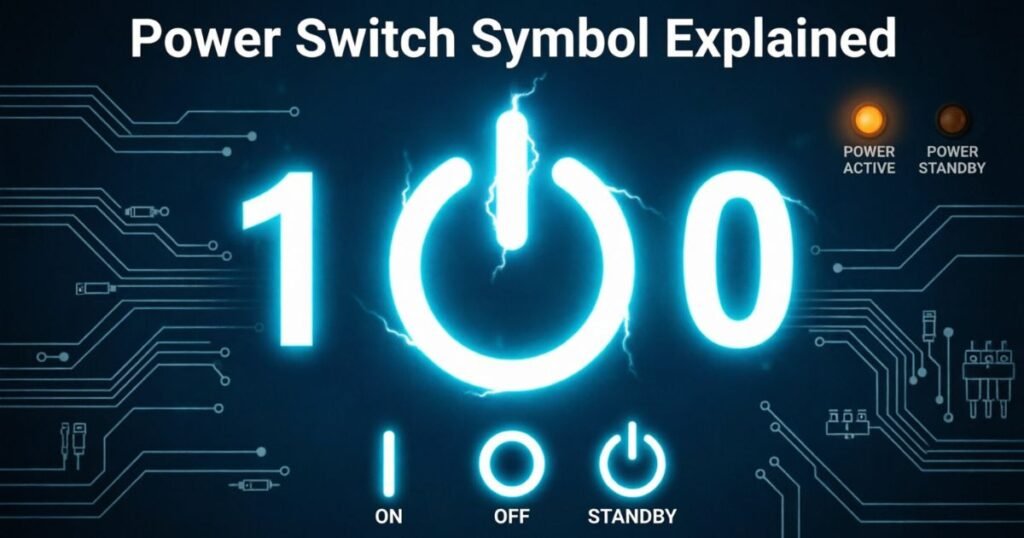

Have you ever stared at a button and wondered which mark means power? The On Off Switch Symbol looks simple, but the on vs off symbol can still be confusing when markings differ. You may see different on off symbols on appliances, electronics, and machines. Knowing what each mark means can save time and prevent mistakes when using everyday devices at home or work.
This guide explains the On Off Switch Symbol in clear and simple language. You’ll learn how the on symbol and off on symbol look and what they mean. We’ll also explain common power markings and the difference between them. Whether you’re checking a device or learning about these signs, this guide will help you understand on off symbols with confidence.
What the On Off Switch Symbol Represents
The On Off Switch Symbol represents control over a device’s power. The line usually refers to the on state, while the circle represents the off state. You’ll find this simple design on computers, appliances, chargers, and many electronic devices. It helps users understand power controls quickly without reading words or detailed instructions, even when device markings vary.
The On Off Switch Symbol also connects with the binary system used in electronics. In simple terms, 1 represents on and 0 represents off. This makes the power icon easy to recognize across many countries. Whether you’re using a phone, appliance, or machine, the symbol gives you a clear visual signal about its power status and basic function.
Why This Symbol Became Universal
The power symbol became universal because people needed a simple way to understand device controls. Words can differ across languages, but clear shapes are easier to recognize. Manufacturers began using the same design on many electronic devices. This helped users quickly identify the power button without needing special knowledge or reading complicated instructions before using everyday products safely.
Its simple design also works well across different cultures and countries. The line and circle are easy to see on buttons, screens, and control panels. Over time, international standards helped make the On Off Switch Symbol common across electronic equipment. Today, you can recognize it on computers, televisions, chargers, appliances, and machines in many parts of the world.
Evolution of the Power Symbol
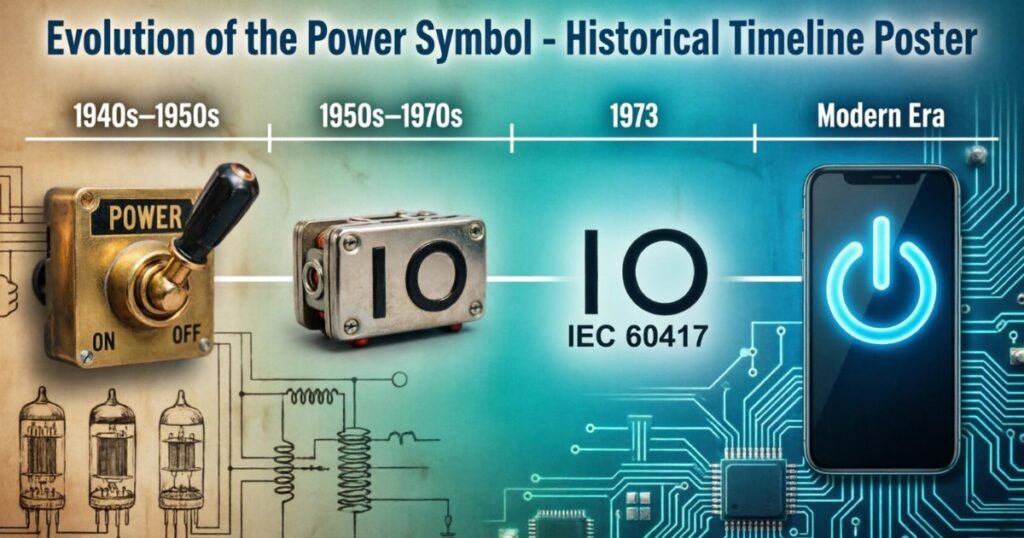
The power symbol has changed from simple electrical markings into a widely recognized power icon. Its design became easier to understand as electronic devices and international electrical symbols developed.
Early equipment often used words or separate 0 and 1 power symbols to show off and on states. As technology advanced, manufacturers needed a clear visual mark that could work across languages and devices. The familiar circle and line design gradually became common in modern electronics.
The interpretation may vary depending on the situation:
- Early markings: Older devices often used “I” for on and “O” for off, based on binary logic.
- Combined design: The familiar line inside a circle joined both ideas into one recognizable power symbol.
- International use: Standardized designs helped manufacturers use consistent power switch symbols worldwide.
- Modern devices: Computers, appliances, chargers, and control panels now commonly display the symbol.
- Design improvement: Its simple shape saves space and works well on physical buttons and digital interfaces.
Different Variations of the Symbol
The power symbol appears in several forms, depending on the device and its function. Common designs include the circle and line power symbol, standby symbol, and 0 and 1 power symbol.
These variations developed as electronic devices became more advanced. While they look similar, each design can communicate a slightly different type of power control or device state.
The interpretation may vary depending on the situation:
- Circle and line power symbol: The familiar line inside a circle usually represents a device’s main power control. You’ll see it on computers, appliances, chargers, and other electronic equipment.
- 0 and 1 power symbol: The numbers 0 and 1 come from binary logic. In simple terms, 0 represents the off state while 1 represents the on state. This design connects modern power controls with digital technology.
- Standby symbol: A broken circle with a short line often indicates standby rather than a complete power-off state. This distinction matters because the device may still consume a small amount of electricity.
- Separate power switch icon: Some electrical devices use a simple switch symbol or labeled power switch. This style is common on industrial equipment, control panels, and power supplies where clear operation matters more than a compact visual design.
- Digital power icon: Phones, computers, and user interfaces may display a simplified power icon. Its advantage is quick recognition, while its limitation is that similar icons can sometimes represent different functions depending on the software or device.
Where You See the On Off Symbol Daily
You see the on off symbol on many devices you use every day. It appears on smartphones, computers, televisions, speakers, and kitchen appliances. You may also notice it on chargers, remote controls, power banks, and gaming consoles. Its familiar design makes it easy to identify the power button without needing to read detailed instructions.
The symbol also appears on control panels and digital screens. Washing machines, microwaves, printers, and air conditioners often use it for quick power control. You’ll also find the power icon in apps and device settings. Its simple shape saves space and helps users recognize important controls quickly, even when labels or instructions aren’t nearby.
Technical Meaning Behind the Design
The power symbol uses a simple visual design to show power control. Its circle and line connect to basic binary ideas of on and off states.
- Circle: The circle represents a complete electrical circuit or continuous power state.
- Line: The line represents the active power state or an electrical connection.
- Binary logic: The design relates to 0 and 1, where 0 means off and 1 means on.
- Power control: It gives users a clear way to control electronic devices.
- Universal design: Its simple shape works across languages and regions.
- Standby function: Similar symbols may indicate standby rather than complete shutdown.
- Easy recognition: The familiar power icon helps users identify device controls quickly.
Read More : Resilience Symbol: Meaning, Strength, Tattoos, Colors & Spirituality
Key Facts About the On Off Switch Symbol
The power symbol is a widely recognized electrical icon. Its simple design helps users understand power controls quickly across many electronic and electrical devices.
- Universal design: It works across different countries and languages.
- Circle and line: The two shapes represent the basic power control concept.
- Binary connection: The design relates to the binary states of 0 and 1.
- Common use: You’ll see it on computers, appliances, phones, and control panels.
- Easy recognition: Its simple shape makes power controls quick to identify.
- Different versions: Devices may use power, standby, or switch variations.
- Standardized symbol: International standards help keep the design recognizable across products.
Benefits of Using a Universal Symbol
A universal power symbol makes device controls easier to understand. Its familiar design helps people recognize power functions quickly, even when they speak different languages or use unfamiliar equipment.
- Easy recognition: Users can identify the power control at a glance.
- Language independent: The symbol communicates without relying on written words.
- Improves usability: Clear visual controls make devices simpler to operate.
- Saves space: A small icon can replace longer labels on control panels.
- Supports safety: Clear power controls can reduce confusion during operation.
- Works worldwide: Standard symbols provide consistent meanings across different regions.
- Useful across devices: You’ll find the symbol on computers, appliances, chargers, and electrical equipment.
Design Principles Behind the Symbol
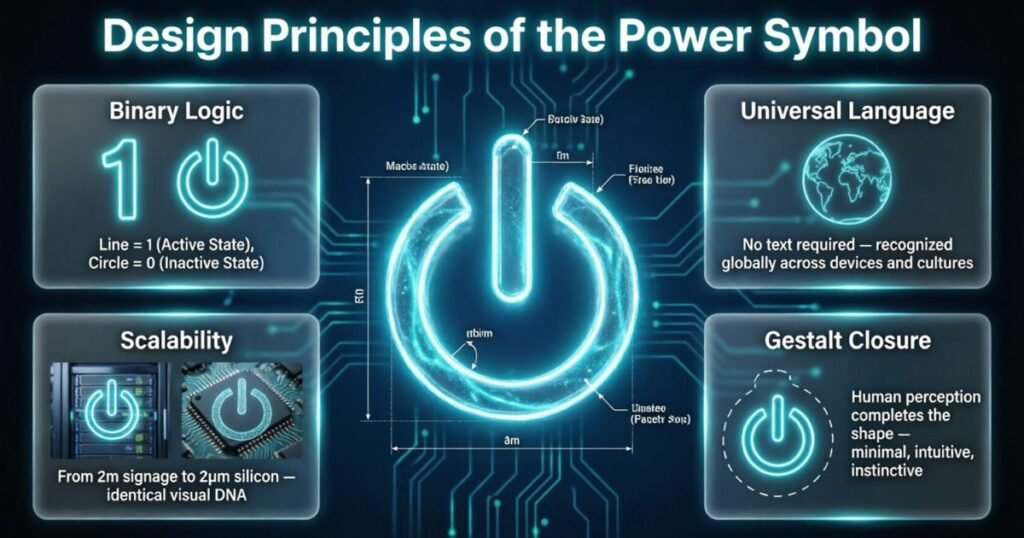
The power symbol uses a simple design that people can recognize quickly. Its circle and line create a strong visual contrast. The shape communicates a basic power function without needing words. This makes the symbol practical for computers, appliances, phones, and other electronic devices. Its clean appearance also helps users locate power controls without confusion during everyday use.
The symbol also follows principles of simplicity, balance, and consistency. Its compact shape fits easily on buttons, screens, control panels, and electrical equipment. Because it does not depend on language, people can understand its purpose in many countries. Standardized designs also support familiar user experiences, helping people recognize power controls even when they use unfamiliar devices.
Differences Between Power and Standby Symbols
Power and standby symbols look similar, but they indicate different device states. Understanding the difference helps you know whether equipment is fully off or still ready for use.
| Feature | Power Symbol | Standby Symbol |
| Main meaning | Indicates turning a device on or off | Indicates a low-power standby state |
| Typical design | Usually a line inside a circle | Often a broken or incomplete circle with a line |
| Power state | Represents active power control | Represents reduced-power operation |
| Energy use | May completely stop power consumption | Usually continues using some electricity |
| Common devices | Computers, appliances, monitors | TVs, remote devices, audio equipment |
| User action | Starts or shuts down the device | Places the device into ready mode |
| Power restoration | May require a full startup | Often allows quicker return to operation |
| Indicator lights | May turn off completely | Often leaves a small indicator light on |
| Purpose | Provides direct power control | Keeps the device ready for quick use |
| Typical symbol meaning | On/off or general power control | Temporary inactive or low-power condition |
Role in User Experience Design
The power symbol improves user experience by making device controls easy to recognize. Its familiar shape reduces confusion and helps people operate technology with confidence.
- Quick recognition: Users can find the power control at a glance.
- Simple interaction: The familiar icon makes basic device operation easier.
- Language-free design: Users can understand its purpose without reading labels.
- Consistent experience: Similar icons create familiarity across different devices.
- Better navigation: Clear symbols help users move through interfaces more easily.
- Reduced confusion: A standard power icon makes important controls easier to identify.
- Accessible design: Simple visual symbols can support users with different language backgrounds.
Read More : Frame Mogged Meaning: Slang, Body Frame, Looksmaxxing & Examples
Use in Industrial and Professional Settings
The power symbol appears across many industrial and professional workplaces. You’ll find it on machinery, electrical equipment, computers, control panels, generators, and production systems. Its familiar design helps workers identify power controls quickly. This is especially useful when machines have several switches, buttons, and indicators that require clear and immediate understanding during regular workplace operations and maintenance tasks.
In professional settings, consistent symbols help reduce confusion between different machines and systems. Workers may operate equipment from various manufacturers during their daily tasks. A recognizable power icon gives them a familiar visual reference. It also supports clear interface design on industrial control panels, office equipment, laboratory devices, and other technology used in demanding work environments every day.
Accessibility and Inclusivity
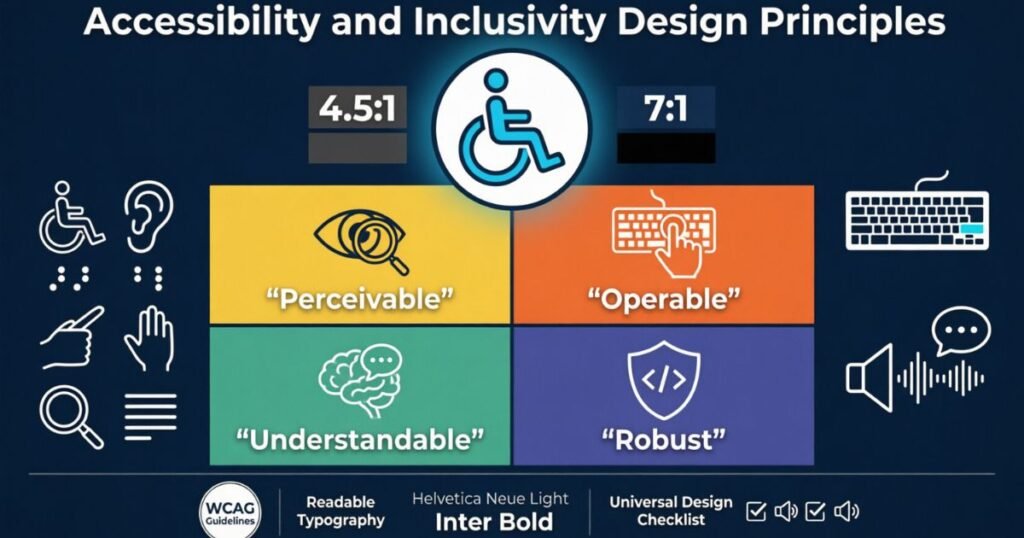
The power symbol supports accessibility through its simple and familiar visual design. People can understand its purpose without reading detailed text or knowing a specific language. This makes device controls easier to recognize for users from different backgrounds. Clear symbols can also help people with limited language skills operate electronic devices more confidently during everyday activities at home, work, or school.
Consistency is another important part of inclusive design. When the same power icon appears on different devices, users can rely on familiar visual cues. This reduces the need to learn new controls each time. A clear symbol can support easier navigation on phones, computers, appliances, and control panels while creating a more comfortable experience for everyone.
Common Mistakes People Make
People often misunderstand power symbols because similar icons can represent different functions. Knowing these common mistakes helps you use device controls correctly and avoid confusion.
- Confusing power and standby: These symbols can indicate different device states.
- Ignoring labels: Some switches include extra markings that explain their function.
- Assuming every symbol means off: A power icon can control both starting and shutting down.
- Misreading 0 and 1: In binary terms, 0 usually means off while 1 means on.
- Pressing repeatedly: Some devices need a moment to respond after pressing the power button.
- Ignoring standby mode: A device may still use electricity when it appears inactive.
- Using the wrong switch: Industrial equipment may have separate controls for power, emergency stops, and other functions.
Future of the On Off Symbol
The on off symbol will likely remain important as technology changes. Its simple design works across phones, computers, appliances, smart devices, and other electronic equipment. As interfaces become more digital, the familiar power icon can help users recognize controls quickly. Designers may adjust its appearance slightly while keeping its basic meaning clear and familiar to people worldwide.
Future devices may rely more on touchscreens, voice commands, and smart automation. Even so, a clear visual power control can provide a useful backup. Consistent symbols can help users understand new technology without learning complicated instructions. As connected devices grow, familiar power icons may continue supporting simple, accessible, and reliable user experiences across many platforms.
Tips for Using Devices Safely
Using power controls correctly can help prevent accidents and device damage. Simple safety habits also make electronic equipment easier and safer to operate.
- Read instructions: Check the manufacturer’s guidance before using unfamiliar equipment.
- Check the switch: Make sure you understand what each control does before pressing it.
- Keep hands dry: Avoid operating electrical devices with wet hands.
- Inspect cables: Look for damaged, loose, or exposed wires before use.
- Use proper power sources: Connect devices to suitable outlets and power supplies.
- Allow ventilation: Keep electronic equipment away from blocked vents and excessive heat.
- Turn off when needed: Switch devices off when they aren’t required for extended periods.
Frequently Asked Questions
Here are 10 SEO-focused FAQs. Each answer is kept to 25–28 words and uses the focus keyword naturally.
Is the I or O on or off?
The On Off Switch Symbol uses I for on and O for off. This comes from binary logic, where I means active and O means inactive.
How do I know if my switch is on or off?
Check the markings around your switch. The On Off Switch Symbol usually shows I for on and O for off, making the position easier to identify.
Is the minus or O on or off?
On some switches, the line or minus-like mark means on, while O means off. This design follows the familiar On Off Switch Symbol convention.
Which position is on, I or O?
I means on and O means off. The On Off Switch Symbol uses these markings to show whether electrical power is active or disconnected.
What does the On Off Switch Symbol mean?
The On Off Switch Symbol shows whether a device is powered on or off. The line represents on, while the circle represents off.
Why does the power symbol use I and O?
The On Off Switch Symbol uses I and O because they represent binary states. I indicates on or active, while O indicates off or inactive.
Does the line mean on or off?
The line means on or active, while the circle means off. This basic rule helps users understand the On Off Switch Symbol quickly.
What does O mean on an electrical switch?
O usually means off on an electrical switch. In the On Off Switch Symbol, it represents an inactive or disconnected power state.
What does I mean on a power switch?
I usually means on or active. The On Off Switch Symbol uses the line to indicate that electrical power is flowing through the device.
Are I and O universal switch markings?
I and O are widely recognized switch markings based on international standards. The On Off Switch Symbol helps users identify power states across many devices.
Conclusion
The On Off Switch Symbol makes power controls simple and easy to understand. The On Off Symbol appears on computers, appliances, chargers, and many electronic devices. Knowing the on vs off symbol helps you identify the correct power state quickly. An on symbol usually shows a line, while the circle often represents off. These on off symbols give users a clear visual guide without relying on words.
Understanding the on off switch symbol can also prevent mistakes when using electrical equipment. The On Off Symbol follows a familiar design that works across many products and regions. Whether you see an on symbol, off on symbol, or another variation, check the device markings first. Learning these on off symbols helps you use power controls safely and confidently. The On Off Symbol remains a useful universal technology symbol today.