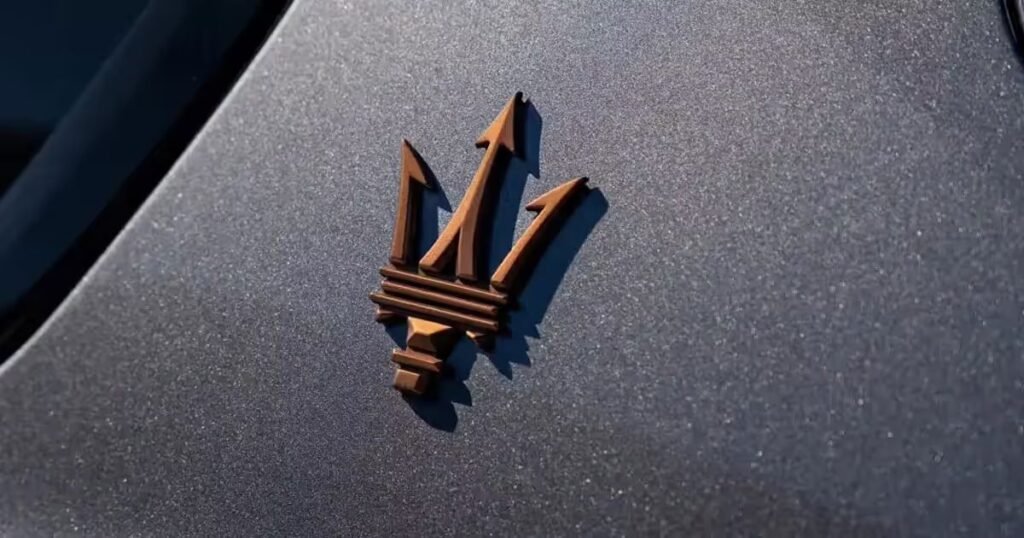

Have you ever seen a Maserati car and wondered what its famous trident logo represents? The Maserati Symbol has a deeper meaning than a simple badge. It reflects Italian heritage, luxury, strength, and elegance. Learning about its story helps you understand why this iconic design stands out and continues to attract car lovers around the world.
In this guide, you’ll learn about the logo’s history, the meaning behind the trident, and its evolution over time. We’ll also explain its colors, Italian roots, and placement on Maserati vehicles. By understanding the Maserati Symbol, you’ll gain a clearer picture of the brand’s identity and the story behind its recognizable emblem.
History of the Maserati Symbol

The Maserati has a rich history that began in 1925. Mario Maserati designed the famous trident logo, taking inspiration from the Fountain of Neptune in Bologna, Italy. The statue features Neptune, the Roman god of the sea, holding a trident. This powerful image inspired a design that reflected strength, confidence, and the city’s cultural heritage.
In 1926, the trident logo appeared on the Maserati Tipo 26 racing car for the first time. That same year, the car competed in the famous Targa Florio race and won its class. This achievement helped establish Maserati’s reputation in motorsport. Over time, the trident became a lasting symbol of Italian craftsmanship, racing passion, and luxury automotive design.
The Meaning Behind the Trident
The Maserati trident represents strength, power, and confidence. Its design was inspired by the statue of Neptune in Bologna, Italy. In Roman mythology, Neptune is the god of the sea and carries a trident. This connection gives the logo a powerful meaning and reflects Maserati’s bold identity in the luxury car industry.
The trident also connects the brand with Italian culture and racing heritage. Its distinctive design helps Maserati stand out from other car manufacturers. The emblem represents several important qualities:
- Strength and power: Inspired by Neptune’s mighty weapon.
- Italian heritage: Reflects the brand’s roots in Bologna, Italy.
- Luxury and elegance: Represents Maserati’s premium image.
- Performance: Connects with the company’s racing history.
- Unique identity: Makes Maserati cars easy to recognize.
Main Symbolic Meanings
The Maserati trident carries several meanings that reflect the brand’s identity. Inspired by Neptune, the Roman god of the sea, it represents power, authority, and confidence. Its bold design also reflects Maserati’s passion for performance and Italian craftsmanship. These qualities help the emblem stand out among luxury car brands.
- Power: Represents strength and impressive performance.
- Authority: Reflects confidence and a bold presence on the road.
- Luxury: Connects the brand with elegance and premium design.
- Heritage: Celebrates Maserati’s Italian roots and history.
- Speed: Reflects the company’s long connection with motor racing.
- Uniqueness: Gives Maserati cars a distinctive and recognizable identity.
Together, these meanings make the trident more than a simple car logo. It represents Maserati’s values, heritage, and commitment to stylish performance.
Read More : Software Name dh58goh9.7: Meaning, Uses, Safety & How to Check It
Maserati Logo Evolution
The Maserati logo has changed over the years while keeping its famous trident design. The original emblem appeared in 1926 on the Maserati Tipo 26 racing car. Early versions featured a trident with red and blue colors. These details reflected the brand’s Italian roots and helped create a strong identity in motorsport.
Over time, Maserati refined the logo to give it a cleaner and more modern appearance. The trident remained the main feature because it was already closely linked to the brand. Modern versions use simpler lines and updated typography. These changes help the Maserati Symbol look stylish across car badges, advertisements, and digital platforms while preserving its historic identity.
Why the Trident Was Chosen

The trident was chosen for the Maserati logo because of a famous statue of Neptune in Bologna, Italy. Mario Maserati, one of the company’s founders, took inspiration from this statue when designing the emblem in 1925. Neptune holds a trident, which represents power and authority. This connection also linked the brand to its Italian hometown.
The trident offered Maserati a distinctive symbol that was easy to recognize. It reflected strength, confidence, and the company’s passion for performance. The design also connected the brand with Italian culture and history. Today, the Maserati continues to represent the company’s heritage and luxury image. Its strong appearance helps Maserati stand out among other luxury car manufacturers.
Colors Used in the Original Maserati Symbol
The original Maserati logo used red and blue colors. These colors gave the trident a bold look and helped connect the emblem with the brand’s Italian heritage and identity.
- Red: Represented energy, passion, and strength.
- Blue: Added a sense of elegance and confidence.
- White: Provided a clean background for the emblem.
- Red and Blue: Created a striking visual contrast.
- Italian Roots: Connected the logo with Maserati’s hometown of Bologna.
- Brand Identity: Helped make the emblem recognizable.
- Modern Designs: Later versions simplified the colors and overall appearance.
Maserati Symbol and Italian Heritage
The Maserati reflects the company’s strong Italian heritage. The trident was inspired by the Fountain of Neptune in Bologna, Italy. This famous statue represents strength and power. The logo connects Maserati with its hometown and rich cultural history. It also shows the brand’s pride in Italian design, craftsmanship, and automotive tradition.
Maserati was founded in Bologna in 1914 by the Maserati brothers. Over time, the trident became a symbol of Italian luxury and performance. Its design reflects the country’s passion for beautiful cars and engineering excellence. Today, Maserati carries this heritage into modern vehicles while keeping its historic identity alive for car lovers worldwide.
The Symbol on Maserati Vehicles
The Maserati trident is a key feature of the brand’s vehicle design. It helps people recognize Maserati cars and reflects their luxury, performance, and Italian heritage.
The emblem appears on different parts of Maserati vehicles, from the front grille to the steering wheel. Its design may vary slightly between models and model years. The interpretation may vary depending on the situation:
- Front grille: The trident badge gives the car a distinctive and recognizable appearance.
- Steering wheel: The emblem adds a branded detail inside the cabin.
- Wheel center caps: Some Maserati models feature the trident on their wheel hubs.
- Exterior details: Certain models display the logo on the hood, rear, or side panels.
- Brand recognition: The emblem represents luxury and heritage, although its presence alone does not prove a vehicle’s authenticity.
Common Placements
The Maserati trident appears in several places on the vehicle. These placements help people recognize the brand and give each car a distinctive look. The emblem’s size and design may vary depending on the model and year.
The most common placements include:
- Front grille: Displays the trident prominently at the front of the car.
- Hood: Some models feature the emblem on the hood.
- Steering wheel: Shows the logo inside the cabin.
- Wheel center caps: Adds a branded detail to the wheels.
- Rear section: Certain models display Maserati lettering or a trident badge at the back.
- Side panels: Some vehicles include small emblems near the front fenders.
- Key fob: The trident may also appear on the key used to access the vehicle.
Popular Maserati Models Featuring the Trident
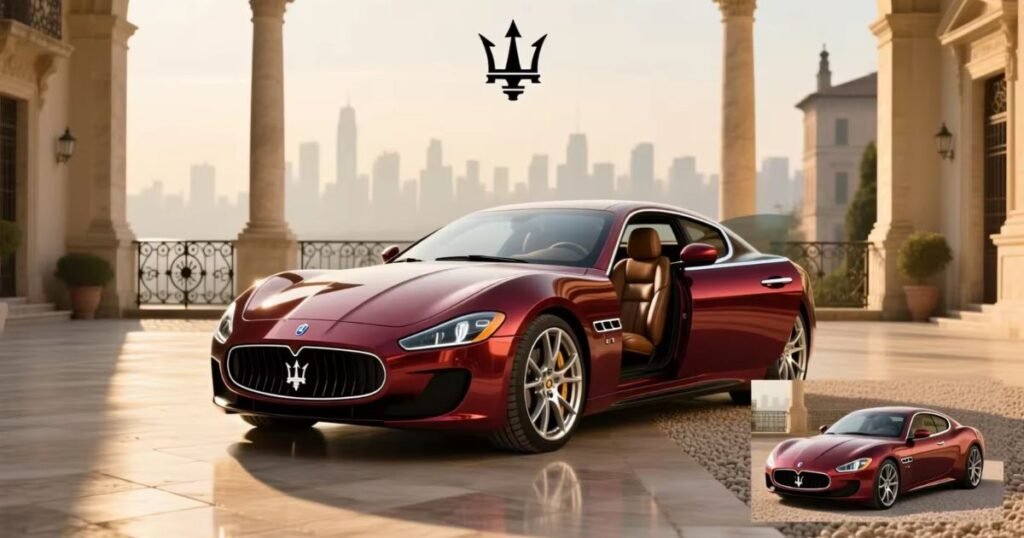
The Maserati trident appears across the brand’s luxury cars and SUVs. It connects different models through a shared identity of Italian design, performance, and craftsmanship.
Maserati offers vehicles for different driving needs, from sporty coupes to spacious SUVs. The interpretation may vary depending on the situation: each model has its own style, purpose, and features.
| Maserati Model | Vehicle Type | Key Features |
| Maserati Ghibli | Sports sedan | Combines elegant styling with sporty performance. |
| Maserati Quattroporte | Luxury sedan | Offers a spacious cabin and refined design. |
| Maserati Levante | Luxury SUV | Blends SUV practicality with Maserati styling. |
| Maserati GranTurismo | Grand touring coupe | Focuses on stylish design and long-distance comfort. |
| Maserati MC20 | Sports car | Features an aerodynamic body and high-performance engineering. |
| Maserati Grecale | Compact luxury SUV | Offers modern technology and everyday versatility. |
| Maserati GranCabrio | Convertible grand tourer | Adds open-top driving to the brand’s luxury experience. |
These models carry the recognizable trident emblem while serving different preferences. Availability, specifications, and features can vary by model year and market. The badge links each vehicle to Maserati’s Italian heritage and distinctive brand identity.
How the Maserati Symbol Differs From Other Luxury Car Logos
The Maserati trident has a distinctive design that separates it from other luxury car logos. Its connection to Neptune and Italian heritage gives the emblem a unique story and meaning.
Luxury car brands use different symbols to express their identity. Ferrari features a prancing horse, while Lamborghini uses a bull. The interpretation may vary depending on the situation: each logo reflects its brand’s history, values, and design style.
| Car Brand | Logo Symbol | Main Meaning or Identity |
| Maserati | Trident | Represents strength, Italian heritage, and luxury. |
| Ferrari | Prancing horse | Reflects speed, racing heritage, and performance. |
| Lamborghini | Bull | Suggests power, boldness, and sporting character. |
| Porsche | Shield with a horse | Connects the brand with performance and Stuttgart’s heritage. |
| Mercedes-Benz | Three-pointed star | Represents the brand’s historical ambition across land, sea, and air. |
| BMW | Circular blue-and-white emblem | Connects with the company’s identity and Bavarian roots. |
| Aston Martin | Winged emblem | Suggests elegance, movement, and British grand touring. |
The Maserati emblem stands out through its mythological inspiration and three-pronged shape. Other logos may be more familiar to some drivers, but each has its own recognition and appeal. These differences help luxury brands build unique identities in the automotive market.
Read More : Meaning of Frontin’: Slang Definition, Origin, Examples & Uses
Distinct Characteristics
The Maserati trident has unique features that make it easy to recognize. Its shape, historical roots, and elegant design reflect the brand’s Italian heritage and luxury identity.
- Three-Pronged Design: Inspired by Neptune’s traditional weapon.
- Historical Roots: Designed in 1925 by Mario Maserati.
- Italian Heritage: Connected to Bologna, the brand’s birthplace.
- Bold Appearance: Creates a strong visual identity.
- Luxury Image: Appears on premium Maserati vehicles.
- Racing Connection: Reflects the company’s motorsport history.
- Timeless Appeal: Retains its recognizable trident shape across generations.
The Symbol’s Role in Brand Identity
The Maserati trident plays an important role in the company’s brand identity. It helps people recognize Maserati vehicles on the road. Its distinctive design reflects luxury, power, and Italian craftsmanship. The emblem also connects the brand with its history and racing roots. These qualities help Maserati maintain a strong image in the luxury car market.
The trident appears on vehicle badges, steering wheels, and marketing materials. This consistent use makes the brand easier to identify. It also helps create a connection with car enthusiasts. Over time, the Maserati Symbol has become more than a logo. It represents the company’s heritage, design values, and commitment to performance.
Modern Branding and the Maserati Symbol

The Maserati trident remains an important part of the brand’s modern identity. Its clean design works across vehicle badges, websites, advertisements, and social media. Maserati updates its visual style to match modern tastes while keeping the historic emblem recognizable. This balance helps the brand connect its heritage with today’s luxury car market.
The logo also supports Maserati’s image of elegance, innovation, and performance. It appears on new models, digital campaigns, and branded accessories. Simple design elements make the emblem easier to use across different platforms. Although branding styles may change over time, the trident continues to link Maserati’s modern vehicles with its Italian roots and long automotive history.
Interesting Details About the Maserati Symbol
The Maserati trident has an interesting story rooted in Italian culture and automotive history. Its design, inspiration, and lasting identity make it one of the most recognizable luxury car emblems.
| Detail | Explanation |
| Original Inspiration | The logo was inspired by the Fountain of Neptune in Bologna, Italy. |
| Designer | Mario Maserati designed the original trident emblem. |
| Design Year | The logo was designed in 1925. |
| First Car Appearance | The trident appeared on the Maserati Tipo 26 in 1926. |
| Mythological Connection | Neptune, the Roman god of the sea, inspired the emblem. |
| Three-Pronged Shape | The trident’s distinctive shape helps the brand stand out. |
| Italian Heritage | The emblem connects Maserati with its Italian roots. |
| Racing History | Its early use on a racing car linked it with motorsport. |
| Brand Recognition | The trident helps people identify Maserati vehicles worldwide. |
| Modern Use | The emblem continues to appear on Maserati cars and branding materials. |
Cultural Value of the Maserati Trident
The Maserati trident holds cultural value because it connects the brand with Italian history and Roman mythology. Its design was inspired by Neptune’s statue in Bologna, Italy. The symbol reflects strength, confidence, and artistic heritage. It also represents the city where the Maserati brothers began building their automotive legacy in 1914.
Over time, the trident became a recognizable symbol of Italian luxury and performance. Car enthusiasts associate it with elegant design and motorsport tradition. It also shows how cultural inspiration can shape a global brand identity. Today, the Maserati Symbol connects the company’s historic roots with modern automotive design and engineering.
Maserati Symbol in Popular Culture
The Maserati trident is often associated with luxury, style, and success. Its appearance on premium cars makes it recognizable among car enthusiasts and luxury vehicle fans. The emblem also appears in automotive photography, car shows, advertisements, and online discussions. Its distinctive design helps Maserati maintain a strong presence in popular car culture.
The trident can also appear in video games, films, and social media content featuring Maserati vehicles. Some fans use the logo on wallpapers, artwork, and personal collections. For many people, it represents a passion for Italian cars and elegant design. However, its meaning can differ depending on personal taste and familiarity with the brand.
Frequently Asked Questions
What does the Maserati Symbol represent?
The Maserati represents power, luxury, and Italian heritage. Its trident design connects the brand with Neptune.
How much does a Maserati cost?
Maserati prices vary by model, year, and location. The Maserati Symbol appears on luxury SUVs and sports cars.
Is Maserati a luxury car?
Yes, Maserati is an Italian luxury car brand known for elegant styling, premium interiors, and performance. Its Maserati Symbol reflects luxury.
Which car has a logo like Trishul?
The Maserati resembles a Trishul because it features three prongs inspired by Neptune’s trident in Bologna, Italy.
Is Maserati better than BMW?
Maserati offers Italian styling and sporty luxury, while BMW provides varied performance cars. The best choice depends on your preferences.
Is Maserati cheaper than Ferrari?
Generally, many Maserati models cost less than Ferrari cars. However, prices depend on the model, market, and specifications.
Is Maserati better or Porsche?
Maserati emphasizes Italian luxury, while Porsche focuses strongly on sports-car performance. Your driving needs determine which brand suits you best.
Which is the number one richest car in the world?
Rankings vary by price and rarity. Some rare, custom-built cars have sold for record-breaking amounts at auctions.
Why does the Maserati Symbol have three points?
The Maserati features three prongs inspired by Neptune’s trident, connecting the brand with mythology and Italian heritage.
Who designed the original Maserati Symbol?
Mario Maserati designed the original trident emblem in 1925. The Maserati remains a recognizable sign of Italian automotive heritage.
Conclusion
The Maserati Symbol represents luxury, strength, and Italian heritage. Its famous trident design was inspired by the Fountain of Neptune in Bologna, Italy. Mario Maserati designed the original emblem in 1925. Since then, it has become a recognizable part of the brand’s identity. The logo also reflects Maserati’s passion for performance, elegant design, and automotive history.
Today, this iconic trident appears on luxury sedans, SUVs, and sports cars. Its distinctive shape connects modern vehicles with the company’s historic roots. It also represents confidence, power, and Italian craftsmanship. Understanding the Maserati Symbol helps you appreciate the story behind this famous emblem. Whether you love luxury cars or automotive design, its history offers an interesting look at Maserati’s lasting identity and heritage.


