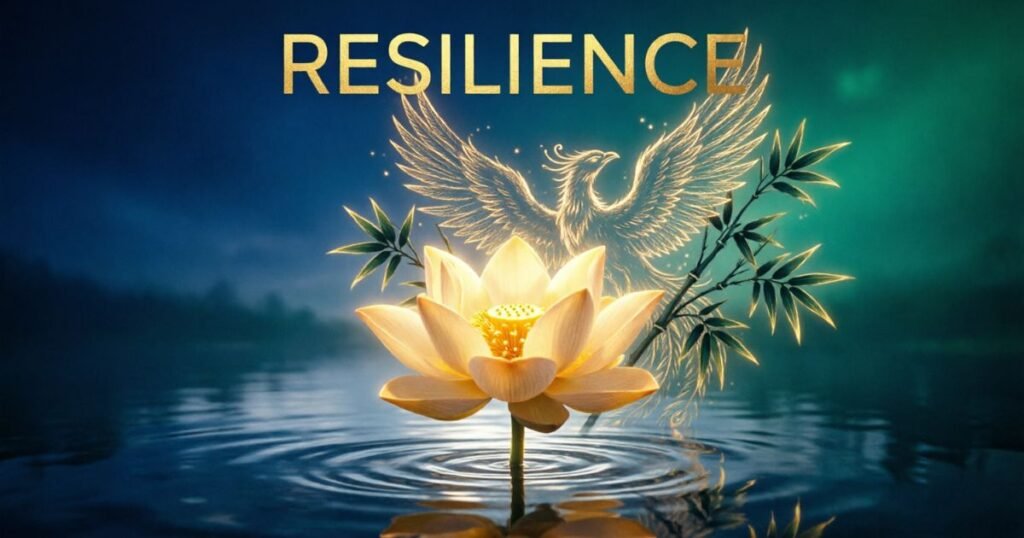

Sometimes life gets hard, and you may need a simple reminder to stay strong. A Resilience Symbol can represent the strength to face difficult times and keep going. If you’re searching for a symbol for resilience, you may also wonder what represents resilience during hardship or change.
In this guide, we’ll explain the meaning behind a Resilience Symbol and share powerful examples from different cultures and traditions. You’ll learn how a hardship symbol or adversity symbol can represent courage, hope, recovery, and inner strength. These symbols can offer comfort and remind you that difficult moments don’t last forever.
Why People Use a Resilience Symbol
People use a Resilience Symbol to remember their strength during difficult times. It can represent courage, hope, healing, and perseverance. For some people, the symbol marks a personal struggle they have overcome. It can also remind them to keep moving forward when life feels challenging.
A meaningful symbol can become a source of motivation and comfort. People may wear it as jewelry, display it at home, or choose it for a tattoo. It can represent survival, personal growth, and emotional recovery. Most importantly, its meaning often comes from the person’s own experiences.
Most Popular Resilience Symbols Around the World
Resilience appear in many cultures and traditions. They often represent strength, hope, perseverance, recovery, and the ability to overcome hardship. Some symbols come from nature, while others have religious, cultural, or personal meanings. Together, they show how people express resilience in different ways.
The interpretation may vary depending on the situation:
- Lotus flower: Often represents growth, renewal, and strength after difficult experiences.
- Phoenix: Symbolizes rebirth and transformation after loss or hardship.
- Bamboo: Represents flexibility, endurance, and the ability to bend without breaking.
- Oak tree: Often connects with strength, stability, and long-lasting endurance.
- Anchor: Can represent hope, stability, and staying strong during uncertain times. However, some people may associate it with feeling stuck or unable to move forward.
Lotus Flower as a Resilience Symbol
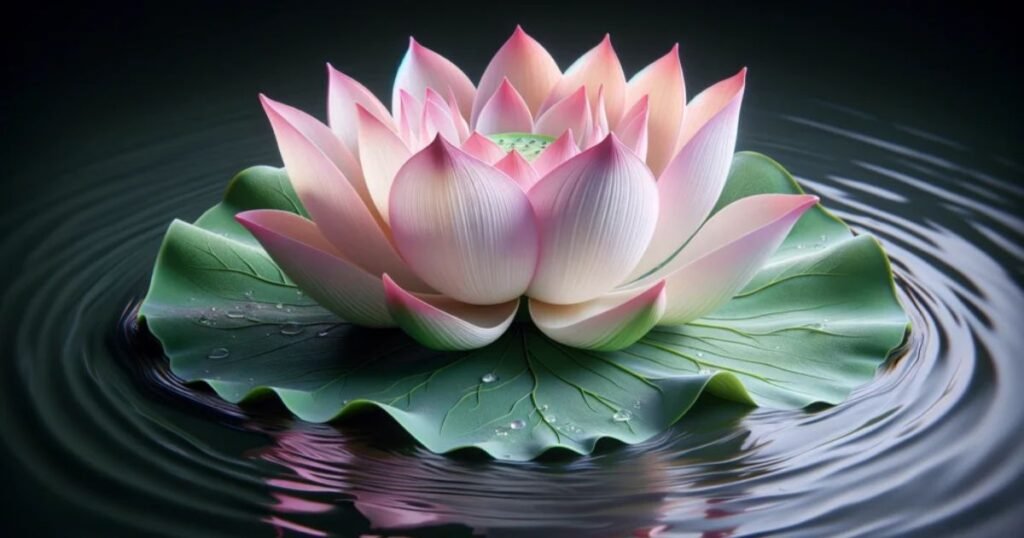
The lotus flower is a powerful symbol of resilience, growth, and emotional strength. It grows through muddy water yet rises above the surface with beauty. This journey makes the lotus a meaningful reminder of overcoming hardship and finding hope after difficult times.
Its symbolism can reflect:
- Strength: Rising despite challenges.
- Healing: Moving forward after pain.
- Growth: Becoming stronger through experience.
- Hope: Looking toward better days.
- Renewal: Beginning again after hardship.
Phoenix Symbol and Personal Rebirth
The phoenix is a powerful symbol of resilience, rebirth, and transformation. In stories, it rises again after being destroyed by fire. This makes it a meaningful sign of recovery, courage, and starting over after painful experiences or major life changes.
The phoenix can represent:
- Rebirth: Starting fresh after hardship.
- Strength: Facing challenges with courage.
- Recovery: Healing after difficult experiences.
- Transformation: Growing through change.
- Hope: Believing better days can come.
Bamboo and Flexible Strength
Bamboo represents resilience through flexibility, endurance, and steady growth. It can bend during strong winds without breaking. This natural strength makes bamboo a meaningful symbol for people facing pressure, change, and uncertainty. Its ability to remain rooted while moving with the wind shows that strength doesn’t always mean staying rigid. Sometimes, adapting helps you survive difficult seasons and continue growing.
Bamboo symbolism also reflects patience, balance, and inner strength. The plant grows steadily and can recover after harsh conditions. For this reason, many people see it as a symbol of overcoming hardship and staying strong through challenges. It reminds you that flexibility isn’t weakness. Instead, adapting to change can help you protect your peace, recover, and move forward.
Read More : Frame Mogged Meaning: Slang, Body Frame, Looksmaxxing & Examples
Semicolon Symbol and Mental Health Recovery
The semicolon symbol represents hope, strength, and continuing a story. It is often linked with mental health awareness and recovery. The mark suggests that a person’s story is not over, even after painful moments. For many people, it becomes a reminder to keep going through difficult times and choose another chapter.
The semicolon can also represent courage, healing, and emotional resilience. Some people choose semicolon tattoos to honor their recovery or support someone facing mental health struggles. Its meaning is personal, but the message remains powerful: difficult moments can be overcome, and there can be hope beyond pain.
Animals Linked With Resilience

Hard times can change us, but they can also reveal our hidden strength. Animals often reflect qualities like courage, patience, loyalty, and transformation. That’s why many people choose animal symbols when they want a reminder of resilience. Each animal carries a different message, from rising above challenges to accepting change and moving forward with quiet determination.
Eagle
Some animals seem built for hard seasons. The eagle represents resilience through vision, courage, and freedom. It can soar above storms, making it a powerful image of rising beyond problems. Eagles also build strong nests in challenging places, which adds another layer of meaning. Their symbolism reminds us to keep perspective when life feels overwhelming and difficult each day again.
Turtle
The turtle carries its protection wherever it goes, making it a gentle symbol of resilience. Its slow movement shows that progress does not need to be fast to matter. Turtles can survive for decades, and some species endure changing environments remarkably well. Their symbolism encourages patience, steady effort, and trust in gradual recovery after difficult experiences or setbacks over time.
Wolf
Wolves are often linked with resilience because they combine independence with cooperation. A wolf may travel alone, yet packs rely on communication, loyalty, and shared care. This balance makes the wolf a meaningful symbol of strength during hardship. It suggests that resilience is not always about standing alone. Sometimes, supportive relationships help us survive and recover more strongly together deeply.
Butterfly
The butterfly represents resilience through transformation. Its life begins as a caterpillar before entering a quiet stage of major change. The final result looks completely different from its beginning. This natural process makes the butterfly a symbol of healing, growth, and new beginnings. It reminds us that difficult seasons can change us without defining who we become afterward, either today.
Colors Connected With Resilience
Colors often carry symbolic meanings linked to resilience, strength, healing, and hope. While no color has one universal meaning, certain shades are commonly associated with emotional recovery and overcoming difficult times.
Across cultures and traditions, color symbolism has been used to express feelings that are difficult to put into words. A shade may represent inner strength and personal growth for one person while suggesting grief or struggle to another.
The interpretation may vary depending on the situation:
- Green: Often represents growth, renewal, balance, and healing. It can suggest moving forward after hardship, although in some contexts it may also represent uncertainty or envy.
- Blue: Commonly connects with calmness, inner peace, trust, and emotional strength. It can symbolize stability during difficult times, but darker shades may also evoke sadness.
- Red: Represents courage, determination, energy, and strength. As a resilience color, it can reflect the will to keep going. However, it may also suggest anger, conflict, or pain.
- Purple: Often symbolizes transformation, spirituality, dignity, and personal growth. It can work well as a symbol of emotional healing and spiritual resilience, though its meaning varies across cultures.
- Gold: Frequently represents hope, achievement, confidence, and strength after adversity. It can suggest that difficult experiences have led to wisdom and renewed self-worth.
Celtic Resilience Symbols
Celtic resilience often represent strength, endurance, protection, and personal growth. Traditions used natural elements and intricate patterns to express ideas about life, struggle, and renewal. These designs remind people that difficult periods can pass and that inner strength can grow through challenges. They can also represent courage, perseverance, and the ability to adapt during difficult times.
The triskele, Celtic knots, and oak tree are commonly connected with resilience and transformation. The triskele can suggest movement and progress, while endless knots represent continuity and connection. The oak reflects strength and endurance because of its long life and sturdy nature. Together, these symbols can serve as meaningful reminders of survival, hope, and personal growth.
Native Symbols of Endurance
Many Native symbols of endurance connect strength with nature, survival, and community. Different Indigenous nations have their own traditions and meanings. Animals, plants, and natural elements may represent courage, patience, protection, or perseverance. These symbols can remind people that surviving hardship often requires balance, wisdom, and strong connections with others and the world around them.
Common examples include:
- Bear: Strength, courage, and protection.
- Turtle: Patience, endurance, and stability.
- Eagle: Vision, courage, and spiritual strength.
- Tree: Growth, grounding, and lasting endurance.
- Buffalo: Survival, abundance, and resilience.
Meanings can differ greatly between Indigenous cultures and communities. A symbol should be understood within its specific cultural context.
Resilience Symbols in Tattoos
Resilience tattoos can serve as personal reminders of strength, courage, and overcoming hardship. People often choose simple symbols that reflect their healing journey, personal growth, or ability to keep moving through difficult times.
Popular choices include:
- Lotus flower: Represents growth and renewal after hardship.
- Phoenix: Symbolizes rebirth, transformation, and starting again.
- Semicolon: Often represents continuing life after difficult struggles.
- Bamboo: Reflects flexibility, endurance, and the ability to bend without breaking.
- Anchor: Suggests stability, hope, and staying grounded during challenges.
Spiritual Meaning Behind Resilience Symbols
Spiritual resilience often represent inner strength, hope, renewal, and the ability to continue through hardship. Many people use them as meaningful reminders of spiritual growth and emotional healing.
Across different cultures and belief systems, symbols can express ideas that words cannot easily capture. Their meanings may connect with faith, personal transformation, protection, or finding inner peace after difficult experiences.
The interpretation may vary depending on the situation:
- Lotus flower: Represents spiritual growth, renewal, and rising above difficult circumstances.
- Phoenix: Often symbolizes rebirth, transformation, and starting again after major challenges.
- Anchor: Can represent faith, stability, and hope when life feels uncertain.
- Tree of life: Reflects strength, connection, growth, and the ability to remain grounded.
- Triskelion: Its continuous movement can suggest progress, balance, and the ongoing journey of personal growth.
These symbols can offer comfort and motivation, but their spiritual meaning remains personal. A symbol that brings hope to one person may have a different meaning for another.
How to Choose a Resilience Symbol
Choose a symbol that connects with your personal experience, values, or goals. Think about what you want it to remind you of, such as courage, healing, hope, or inner strength. A meaningful choice should feel personal rather than simply popular. Its connection to your journey can make the symbol more powerful, memorable, and meaningful for years to come.
Consider the symbol’s cultural or spiritual meaning before making your choice. You might prefer a flower, animal, pattern, or simple object. Research its history and traditional use first. Also, consider where you’ll use it, such as a tattoo, artwork, jewelry, or personal reminder. The best symbol should feel respectful, meaningful, and closely connected to your story and values.
Best Places to Use Resilience Symbols
You can use resilience symbols in everyday spaces where they offer comfort, motivation, or a reminder of strength. Choose a place that feels personal and meaningful.
- Tattoos: Keep a lasting reminder of resilience close to you.
- Jewelry: Wear a symbol as a subtle daily reminder.
- Home décor: Display meaningful artwork in a personal space.
- Journals: Add symbols to reflect growth and healing.
- Artwork: Use them in paintings, drawings, or creative projects.
- Phone wallpapers: Keep an inspiring symbol visible each day.
- Gifts: Share a meaningful symbol with someone facing difficult times.
Resilience Symbol in Modern Culture
Resilience symbols appear in modern culture through tattoos, jewelry, artwork, social media, and personal designs. They often express strength, hope, healing, and overcoming difficult experiences.
- Tattoos: People use meaningful symbols to represent personal struggles and growth.
- Jewelry: Symbols can provide a subtle reminder of courage and inner strength.
- Social media: Resilience imagery often appears in inspirational posts and messages.
- Fashion: Symbols may appear on clothing, accessories, and creative designs.
- Artwork: Artists use symbolic images to express survival and transformation.
- Mental health awareness: The semicolon has become a recognizable symbol of continuing life.
- Personal identity: Many people choose symbols that reflect their unique healing journey.
Religious Symbols Connected With Strength
Faith has long given people symbols to hold onto when life feels difficult. Religious symbols can represent courage, patience, protection, and inner strength. They often work like quiet reminders, helping people stay grounded during uncertain moments. Their meanings may differ across traditions, but each can offer comfort and a sense of hope during challenging seasons.
Cross
The cross is one of the most recognized religious symbols of strength, faith, and sacrifice. For Christians, it recalls the crucifixion of Jesus and the hope connected with resurrection. Its message can feel personal during hard seasons. Wearing a cross or keeping one nearby may remind someone to trust, endure suffering, and hold onto faith during difficult moments and uncertainty.
Om Symbol
The Om symbol holds deep meaning in Hindu traditions and several Indian spiritual practices. It is often connected with consciousness, peace, and the sound believed to represent the universe. For many people, Om symbolizes inner strength through calm awareness. Rather than focusing only on physical power, it encourages balance, meditation, self-control, and spiritual resilience during challenging times and personal change.
Hamsa Hand
The Hamsa Hand is an ancient symbol commonly associated with protection, blessings, and strength across several Middle Eastern and North African traditions. Its open hand can suggest safety and confidence when facing uncertainty. Some designs include an eye at the center, often linked with protection from harm. Today, people may wear it as jewelry or display it at home daily.
Read More ; Spartan Symbol: Meaning, History, Helmet, Lambda & Warrior Culture
Differences Between Strength and Resilience Symbols
Strength and resilience share themes of courage and power, but their meanings differ. Strength focuses on power, while resilience emphasizes recovery, adaptation, and continuing after hardship.
| Aspect | Strength Symbols | Resilience Symbols |
| Core meaning | Represent power and capability | Represent recovery and persistence |
| Main focus | Showing inner or physical power | Bouncing back after challenges |
| Common theme | Courage and confidence | Endurance and adaptation |
| Response to hardship | Suggests facing challenges with force | Suggests recovering and moving forward |
| Emotional meaning | Often reflects confidence and determination | Often reflects healing and hope |
| Growth | May represent existing abilities | Often represents growth through difficult experiences |
| Popular examples | Lion, mountain, oak tree | Lotus, phoenix, bamboo |
| Personal message | I am strong | I can keep going |
| Symbolic feeling | Power and control | Renewal and perseverance |
| Common use | Motivation and confidence | Healing, recovery, and overcoming adversity |
Emotional Benefits of Symbolic Reminders
Symbolic reminders can support emotional strength by giving people a simple image connected to hope, healing, courage, and personal growth. They can make difficult moments feel more manageable.
- Motivation: A meaningful symbol can encourage you to keep moving forward.
- Hope: Symbols can remind you that difficult times can change.
- Emotional healing: They may provide comfort during a healing journey.
- Confidence: Personal symbols can strengthen self-worth and determination.
- Focus: A visual reminder can help you stay connected to your goals.
- Inner peace: Familiar symbols may create feelings of calm and stability.
- Personal meaning: They can represent important experiences, achievements, or lessons.
Digital Use of Resilience Symbols
Digital resilience symbols are widely used online to express strength, hope, healing, and personal growth. They can appear in social media posts, profile pictures, phone wallpapers, websites, blogs, and digital artwork. People may choose a familiar symbol to communicate their experiences without explaining everything. These simple images can also provide motivation during difficult moments and encourage others.
People also use resilience in messages, online communities, and creative projects. A lotus, phoenix, semicolon, or anchor can represent a personal story with very few words. Digital designs are easy to save, customize, and share across different platforms. They can become personal reminders of courage, recovery, and perseverance while helping people express emotions in a simple visual way.
Common Mistakes While Choosing a Symbol
Choosing a resilience symbol can feel personal, but some mistakes can reduce its meaning. Taking time to understand the symbol can help you make a thoughtful and lasting choice.
- Choosing only by appearance: A beautiful design may look appealing but have little personal meaning.
- Ignoring cultural meaning: Some symbols have deep cultural or religious roots. Learn their background before using them.
- Following trends: Popular symbols may not reflect your own journey or values.
- Choosing without research: Check the history and traditional meaning before making a final choice.
- Using too many symbols: Several symbols can make the design confusing or less meaningful.
- Forgetting personal connection: Pick something that reminds you of your own strength, healing, or growth.
- Overlooking the purpose: Consider whether the symbol is for a tattoo, jewelry, artwork, or a personal reminder.
Frequently asked Questions
What is the symbol of resilience?
A Resilience Symbol can be a lotus, phoenix, bamboo, or semicolon. These symbols represent strength, recovery, hope, and overcoming hardship.
What tattoo symbolizes resilience?
A Resilience Symbol tattoo can feature a lotus, phoenix, bamboo, or semicolon. These designs represent healing, survival, growth, and inner strength.
What image represents resilience?
A Resilience image may show a lotus, phoenix, bamboo, or anchor. These images represent endurance, recovery, hope, and personal transformation.
What words symbolize resilience?
Words linked with a Resilience include courage, strength, hope, healing, recovery, endurance, perseverance, growth, and determination during difficult times.
What flower represents resilience?
The lotus flower is a popular Resilience. It represents growth, renewal, healing, and beauty after overcoming difficult circumstances.
What animal symbolizes resilience?
Turtles, eagles, wolves, and butterflies symbolize resilience. They represent endurance, courage, adaptation, transformation, survival, and strength through challenging experiences.
What color represents resilience?
Green often represents resilience through growth and renewal. Blue suggests calm strength, while red represents courage, determination, and emotional power.
What symbol represents strength and resilience?
The phoenix is a powerful Resilience Symbol representing strength, renewal, transformation, courage, and rising again after difficult experiences.
What symbol represents hope and resilience?
The anchor is a meaningful Symbol representing hope, stability, strength, and staying grounded during uncertain or challenging periods.
What is the best symbol for resilience?
The best Resilience Symbol depends on your story. Lotus, phoenix, bamboo, and semicolon designs can represent healing, perseverance, and personal growth.
Conclusion
A Resilience Symbol can carry a strong personal meaning. It may remind you of courage, healing, and hope. A lotus can show growth after pain. A phoenix can represent a fresh start. Bamboo can reflect flexibility and strength. These designs can answer what represents resilience in simple ways. Each symbol can become a meaningful reminder during hard times.
The right symbol for resilience depends on your own journey. A semicolon can represent recovery and continuing forward. An anchor can offer hope and stability. A meaningful hardship symbol may remind you of lessons learned. An adversity symbol can represent courage after struggle. Whatever you choose, a Resilience Symbol can keep your strength, hope, and personal growth close to you.