
Freedom is a feeling everyone understands, yet it can be hard to express in words. That’s why a powerful Freedom Symbol can say so much without speaking. Whether you’re curious about an eagle, dove, broken chains, or butterfly, you may want to know why these images represent liberty, hope, independence, and the desire to live without oppression.
This guide explains the stories and meanings behind well-known freedom symbols from different cultures and periods. You’ll learn how each image became connected with liberty and what it represents today. We’ll also look at the symbol meaning freedom, including its use in art, history, traditions, movements, and modern society.
Common Freedom Symbols Around the World
Across cultures, certain images have become widely recognized as symbols of freedom, liberty, and independence. These symbol of freedom s often express hope, resistance, human dignity, or freedom from oppression, although their meaning can change with cultural and historical context.
Many of these images developed through wars, social movements, religious traditions, and struggles for self-determination. Birds, broken chains, torches, and national monuments can all represent the desire to live freely and make independent choices. The interpretation may vary depending on the situation:
- Eagle: Often represents strength, courage, sovereignty, and independence. Its ability to fly freely makes it a powerful image of liberty.
- Dove: Commonly connects freedom with peace, hope, and liberation. It can also represent freedom from conflict and oppression.
- Broken chains: Clearly suggest release from control or injustice. They often appear in civil rights and liberation movements.
- Butterfly: Represents personal freedom, transformation, and a new beginning. Its change from a caterpillar to a flying insect adds a strong sense of renewal.
- Torch: Often symbolizes enlightenment, knowledge, and the light of liberty. However, its meaning can depend on the historical or political setting.
The Eagle as a Freedom Symbol
The eagle has long represented freedom, strength, and independence. Its ability to soar high above the ground makes it a natural image of liberty. Wide wings suggest movement without limits, while its powerful flight reflects courage and confidence. Across different cultures, the eagle can also represent sovereignty, leadership, protection, and the desire to live freely.
The eagle symbol of freedom appears in flags, seals, coins, artwork, and national emblems. People often connect its flight with personal liberty and self-determination. Its sharp vision can represent clear purpose and strength. In some traditions, the eagle also carries spiritual meaning, linking freedom with courage, wisdom, and hope.
The Dove and the Message of Liberation
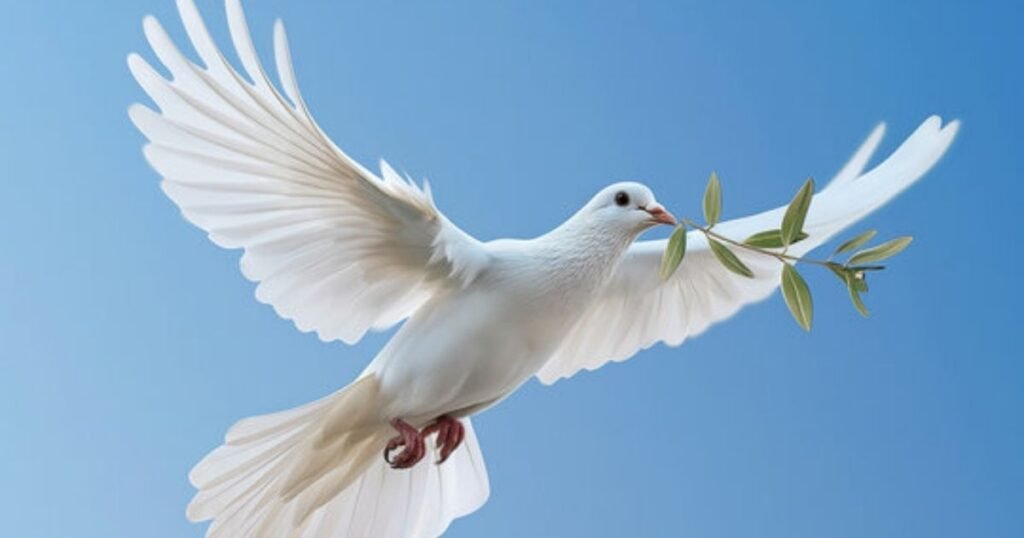
The dove is widely linked with peace, hope, and freedom. Its gentle nature gives it a softer meaning than symbols tied to strength or conflict. A flying dove can suggest release from fear and control. For many people, it represents liberation, calm, and the hope for a better future.
The dove also appears in art, religious traditions, and social movements. Its white feathers often suggest purity and peaceful change. As a dove symbol of freedom, it can represent freedom from oppression without promoting violence. This makes the dove a powerful image of peace, equality, and human dignity.
Broken Chains and the End of Oppression
Broken chains are a powerful image of freedom, release, and resistance. They represent the moment when people escape control, unfair treatment, or oppression. A chain holds something tightly, so breaking it creates a clear picture of liberation. The image can also express courage, independence, and the right to make personal choices without outside control or fear.
This symbol has appeared in artwork, monuments, protests, and social movements. It often connects with struggles for civil rights and human dignity. For communities facing injustice, broken links can show that oppression doesn’t have to last forever. They represent the strength to challenge unfair systems and seek equality, self-determination, and meaningful change.
The broken chains symbol can also carry a message of hope after difficult times. It may represent freedom from slavery, political control, discrimination, or other restrictions. However, its meaning depends on the situation and the people using it. In many cases, broken chains suggest a fresh start. They remind us that liberation can begin with one brave decision.
The Statue of Liberty
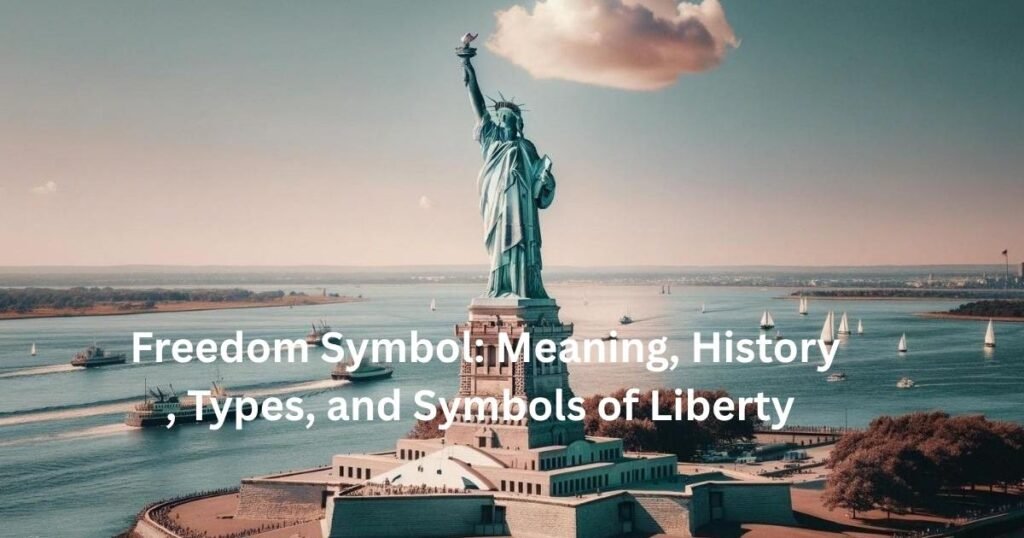
The Statue of Liberty is one of the world’s best-known symbols of freedom and liberty. It stands in New York Harbor and represents independence, hope, and opportunity. For many people, its raised torch suggests a brighter future. The monument also reflects ideals such as human rights, equality, personal freedom, and the courage to seek a better life.
France gave the monument to the United States, and it was dedicated in 1886. Its design includes a torch, tablet, crown, and broken chains at its feet. Each detail adds meaning to its message. The Statue of Liberty symbolism connects with liberation, enlightenment, independence, and freedom from oppression while honoring democratic ideals.
Read More : Majin Symbol: Meaning, Origin, Power, Vegeta & Anime Symbolism
The Liberty Bell and American Independence
The Liberty Bell is a famous American symbol of freedom and independence. It is closely linked with the nation’s history and the ideals of liberty. Its message reminds people of the importance of equal rights and self-governance. Over time, the bell became a powerful image of resistance and the pursuit of a free society.
The bell is especially known for its inscription about liberty. Its famous crack adds another layer to its story. For many people, it represents the struggles that shaped American independence. The Liberty Bell meaning can include freedom, democracy, civil rights, and the belief that liberty should be valued and protected.
The interpretation may vary depending on the situation:
- Liberty: Represents the basic right to live freely.
- Independence: Connects with the American struggle for self-rule.
- Equality: Reflects the broader goal of equal rights.
- Resistance: Can represent opposition to unfair control.
- Hope: Reminds people that freedom can grow through social change.
Butterflies as Freedom Symbols
Butterflies often represent freedom, change, and personal growth. Their ability to fly freely makes them a natural image of independence. They also move through a remarkable transformation, which can symbolize leaving behind limitations and starting a new chapter. This makes butterflies popular in art, jewelry, tattoos, and designs connected with hope and personal freedom.
The butterfly’s journey can also represent liberation after a difficult period. Its transformation from a caterpillar into a flying insect suggests that change can lead to greater freedom. The butterfly symbol of freedom may therefore express courage, renewal, and self-discovery. Its gentle appearance also gives freedom symbolism a peaceful and uplifting meaning.
The Torch and the Light of Liberty
The torch is a powerful symbol of liberty, hope, and enlightenment. Its bright flame represents light overcoming darkness and knowledge replacing fear. When used as a symbol of freedom , the torch can suggest guidance and a clear path toward independence. It often reflects courage, progress, and the desire to live with dignity and personal choice.
Throughout history, people have used flames to represent knowledge, freedom, and new beginnings. A burning torch can also honor those who fought against oppression. In public monuments and artwork, it may represent democracy, equality, and human rights. Its light suggests that liberty can guide people through difficult times and inspire positive social change.
The torch symbol of liberty carries both practical and symbolic meaning. It can represent awareness, justice, and the power to stand against unfair control. Its flame also creates a sense of hope for the future. For many people, the torch means that freedom should remain visible, protected, and available to everyone.
Freedom Symbols in Different Cultures
A symbol can tell a story without saying a word. Across history, people have used animals, objects, gods, and natural images to express freedom, independence, and resistance. Yet these meanings aren’t universal. A symbol that represents liberty in one culture may carry a very different message somewhere else. Understanding this context makes freedom symbolism much more meaningful.
Ancient Greece
In Ancient Greece, freedom was closely tied to citizenship and self-government. The goddess Eleutheria personified liberty, while public spaces and democratic assemblies reflected ideas of political participation. Greeks also valued symbols of victory, such as laurel wreaths, which could suggest independence from enemies. However, this freedom was limited because women, enslaved people, and foreigners lacked equal political rights.
Ancient Rome
Ancient Rome used several powerful images to express liberty and independence. Libertas, the Roman goddess of freedom, appeared on coins and carried distinctive symbolism of personal and civic liberty. The freedman’s cap, called a pileus, became another important emblem. Romans connected it with freedom from slavery, showing how symbols can mark a major change in someone’s social status.
South Asia
Across South Asia, freedom symbols often connect with spiritual ideas, national movements, and resistance to oppression. The spinning wheel became strongly associated with India’s independence movement and self-reliance. The saffron, white, and green national flag also carries meanings of courage, peace, and growth. These examples show how culturalsymbol of freedom can unite people around shared hopes and national identity.
Africa
African cultures contain many symbols connected with freedom, unity, and human dignity. The Adinkra symbol Fawohodie, meaning freedom or emancipation, comes from Ghana’s Akan tradition. It represents independence and responsibility. Other African symbols may express resistance, community, or spiritual strength. Their meanings aren’t always identical, reminding us that freedom symbolism grows from each community’s history, values, and experiences.
Indigenous Traditions
Indigenous traditions around the world use animals, natural elements, patterns, and sacred objects to express freedom and self-determination. Meanings differ widely between nations and communities. For example, birds may suggest movement or spiritual connection, while open landscapes can represent living according to ancestral ways. It’s important to avoid treating every Indigenous tradition as one shared system of symbols.
Takeaway: Freedom doesn’t have one universal image. Its symbols reflect each culture’s history, struggles, values, and vision of a better life.
Why Freedom Symbols Matter
symbol of freedom turn big ideas into images people can quickly understand. An eagle, broken chain, or open birdcage can express liberty, independence, and hope without many words. These symbols often connect with human rights, equality, and personal freedom. They can also remind communities of past struggles and the courage shown during difficult times.
These images still matter in modern society. People use them in art, protests, monuments, clothing, and public events. A familiar symbol can bring people together around shared values. It may also inspire resistance against oppression and encourage self-determination. In simple terms, freedom symbols give people a visible way to remember, express, and protect liberty.
Read More : Phase Symbol: Meaning, States, Chemistry & Chemical Equations
Freedom Symbols in Modern Society
Freedom symbols remain part of everyday life. You can see them in tattoos, artwork, clothing, protests, films, and social campaigns. An eagle may suggest independence, while an open birdcage can represent release. These images help people express personal liberty, equality, and resistance without needing a long explanation or complicated message.
Today, their meanings can change with the situation:
- Art: Artists use symbols to express freedom and human dignity.
- Tattoos: People choose images that represent personal freedom or independence.
- Protests: Groups use symbols to support civil rights and liberation.
- Social movements: Shared images can unite people around a cause.
- Digital media: symbol of freedom spread quickly through posts, graphics, and campaigns.
Popular Freedom Symbols and Their Meanings
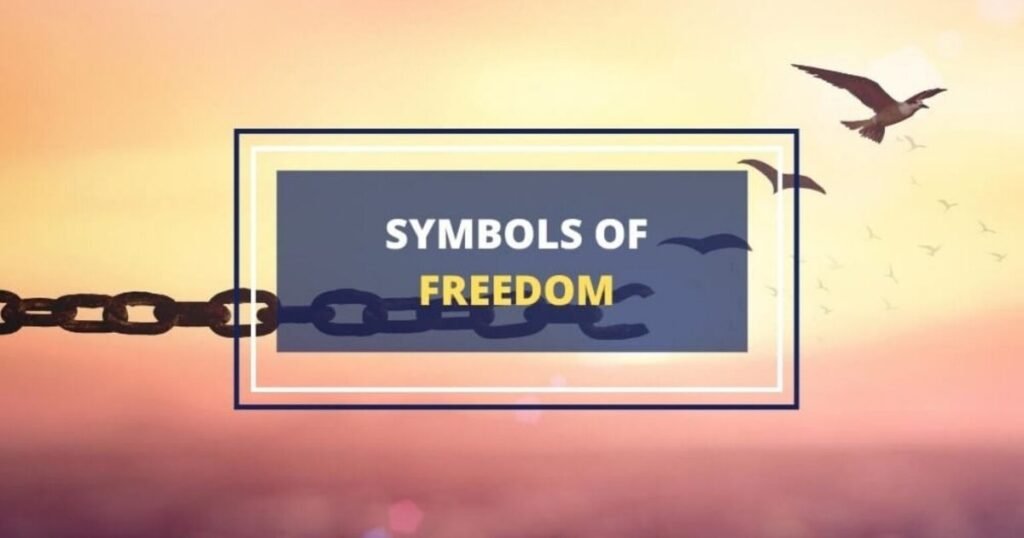
A simple image can carry a powerful message. Across history, people have used familiar objects and animals to express liberty, independence, hope, and liberation. These symbols can appear in monuments, artwork, tattoos, flags, and public movements. Their meanings may differ by culture, but each one gives people a visual way to express the idea of being free.
Eagle
The eagle represents freedom through its powerful flight and wide wings. It can soar above mountains and travel without visible limits. This makes it a strong image of independence and sovereignty. In many countries, the eagle also represents courage, leadership, and protection. The eagle symbol of freedom often appears on national emblems, coins, flags, and official seals.
Dove
The dove gives freedom symbolism a peaceful and gentle meaning. Its flight can suggest release, hope, and movement beyond restrictions. People often connect the dove with peace and freedom from violence. In art and social movements, it may represent liberation through peaceful change. The dove can also symbolize human dignity, reconciliation, and the hope for a safer future.
Broken Chains
Broken chains create a clear picture of someone escaping control. They commonly represent freedom from oppression, slavery, injustice, or unfair restrictions. The image often appears in monuments and artwork about liberation. A single broken link can suggest that change has begun. For many people, the broken chains symbol represents resistance, courage, equality, independence, and a fresh start.
Torch
A torch represents liberty through the simple idea of light overcoming darkness. Its flame can symbolize knowledge, enlightenment, courage, and hope. People have used torches in monuments, ceremonies, and public artwork to represent progress. The torch symbol of liberty can also suggest guidance. It reminds us that freedom often requires awareness, responsibility, and the courage to challenge injustice.
Butterfly
The butterfly represents freedom through transformation and flight. Its life cycle gives the symbol another layer of meaning. A caterpillar changes completely before becoming a flying insect. This journey can represent personal growth, renewal, and liberation from old limitations. The butterfly is especially popular in artwork and tattoos because its delicate appearance combines beauty, change, independence, and a strong sense of personal freedom.
Open Birdcage
An open birdcage offers one of the clearest visual images of freedom. The empty cage suggests that something once confined has finally escaped. It can represent personal liberty, independence, and freedom from emotional or social restrictions. An open door adds a sense of choice and possibility. In modern art, this image often expresses healing, transformation, and starting again.
Statue of Liberty
The Statue of Liberty stands as a famous symbol of liberty, hope, and independence. Her raised torch represents enlightenment, while the broken chains near her feet suggest liberation from oppression. The monument has also become connected with immigration and the search for opportunity. Its symbolism combines freedom, human rights, democracy, and the belief that people deserve dignity.
Liberty Bell
The Liberty Bell is closely associated with American independence and the idea of liberty. Its famous crack has become part of its identity rather than simply a flaw. The bell’s message connects with freedom, equality, and self-government. Over time, it has also inspired civil rights movements. Today, the Liberty Bell meaning extends beyond history to include the continuing value of freedom.
Frequently Asked Questions
What Is the Symbol of Freedom?
A Freedom Symbol can be an eagle, dove, broken chain, butterfly, or open birdcage. Each image represents liberty, independence, liberation, or personal freedom.
Is Dove a Symbol of Freedom?
Yes, a dove can be a symbol of freedom because its flight represents peace, release, hope, and freedom from conflict, fear, or oppression.
What Tattoo Symbol Represents Freedom?
An eagle, butterfly, broken chain, or open birdcage can make a meaningful Freedom Symbol tattoo. Each design can represent independence, courage, change, or liberation.
What Is a Symbol for Freedom and Peace?
The dove is a popular symbol of freedom for peace. Its gentle flight can represent hope, harmony, liberation, and the desire to live without violence.
What Animal Is a Symbol of Freedom?
The eagle is a powerful Freedom Symbol because it can soar freely across the sky. It often represents strength, independence, courage, and personal liberty.
What Do Broken Chains Symbolize?
Broken chains are a strong Freedom Symbol representing release from oppression, slavery, control, or injustice. They can also express resistance, liberation, equality, and independence.
Is a Butterfly a Symbol of Freedom?
Yes, the butterfly is a popular symbol of freedom l linked with transformation and flight. It can represent personal growth, independence, renewal, and freedom from past limitations.
What Does an Open Birdcage Symbolize?
An open birdcage is a clear symbol of freedom l that represents escape from restrictions. It can express personal liberty, new opportunities, independence, and the courage to move forward.
What Is the Most Famous Freedom Symbol?
The Statue of Liberty is among the world’s most famous symbol of freedom examples. It represents liberty, independence, hope, enlightenment, human rights, and freedom from oppression.
What Symbols Represent Freedom and Independence?
Common Symbol choices include eagles, broken chains, butterflies, torches, and open birdcages. They can represent independence, self-determination, courage, liberation, and personal liberty.
Conclusion
A Freedom Symbol can express a powerful message with a simple image. The eagle shows strength and independence. The dove represents peace and hope. Broken chains suggest release from oppression. A butterfly reflects change and personal growth. The torch represents liberty, knowledge, and a brighter future. Each symbol has its own story and meaning.
The Freedom Symbol you choose may depend on your culture, beliefs, or personal journey. Some people prefer bold images, while others like peaceful designs. Understanding the symbol meaning freedom can make these images more meaningful. Whether used in art, tattoos, monuments, or social movements, these symbols can express courage, equality, and human dignity. They remind us why liberty matters and why people continue to value the right to live freely.