
Have you ever seen the Nirvana Symbol and wondered what its smiling face really means? Its crossed-out eyes and crooked smile make it instantly recognizable. However, many people still feel curious about its history and meaning. You might have seen it on T-shirts, posters, or music merchandise and wondered why this simple design became so popular among music fans around the world.
In this guide, you will learn about the Nirvana Symbol, its origin, and its connection to Kurt Cobain and grunge culture. We will explain the meaning behind the nirvana smiley and its unique design features. You will also discover how it became popular, why fans connect with it, and how it continues to influence music, fashion, and modern culture today.
Basic Elements of the Nirvana Symbol
The Nirvana Symbol is a famous smiley-face design linked to the American rock band Nirvana. Its simple features, including crossed-out eyes and a crooked smile, give it a playful yet rebellious look.
The design often appears in yellow and black, especially on band merchandise and clothing. While fans connect it with Nirvana’s music and grunge culture, its exact meaning isn’t officially settled. The interpretation may vary depending on the situation:
- Yellow smiley face: The bright yellow face creates a cheerful appearance. However, its unusual expression gives it a slightly strange or unsettling feeling.
- X-shaped eyes: The crossed-out eyes make the design stand out. Some fans associate them with rebellion or an unconventional attitude, but no single meaning is confirmed.
- Crooked smile: The uneven smile adds a playful, sarcastic, or mischievous touch. It gives the Nirvana logo a personality different from a regular smiley face.
- Black background: Black backgrounds create a strong contrast with the yellow face. This combination also fits the raw visual style often associated with grunge culture.
- Simple, memorable design: The basic shapes make the Nirvana band symbol easy to recognize on shirts, posters, and other merchandise. Its simplicity helps it remain recognizable across generations.
Origin of the Nirvana Symbol
The Nirvana Symbol became closely associated with the American rock band Nirvana during the early 1990s. Its famous smiley face appeared on merchandise and promotional materials. As the band gained popularity, the design became a recognizable part of its visual identity. Fans connected its unusual expression with Nirvana’s music and rebellious image.
The exact creator and inspiration behind the design remain disputed. Some stories connect it to Kurt Cobain, while others point to different origins. Its simple appearance suited the alternative rock scene and Seattle’s growing grunge culture. Over time, the logo became an iconic symbol of the band’s influence and musical legacy.
- Early 1990s: The smiley face gained recognition as Nirvana’s popularity grew.
- Band identity: The design became closely linked to the group’s music and image.
- Distinctive style: Crossed eyes and a crooked smile made it instantly recognizable.
- Uncertain origins: The original creator and inspiration remain subjects of debate.
Connection to Kurt Cobain
Kurt Cobain, Nirvana’s lead singer and guitarist, became strongly associated with the band’s famous smiley face. His creative style helped shape Nirvana’s public image during the grunge era. Fans often connect the symbol with his rebellious attitude and the emotional nature of the band’s music. However, the design itself isn’t officially credited to Cobain.
Some sources and fan theories suggest that Cobain may have influenced or created the design. Yet, the symbol’s exact origin remains disputed. There’s no clear evidence proving that Cobain personally created it. Its connection to him grew mainly through Nirvana’s artwork, merchandise, performances, and lasting association with the band’s visual identity.
Read More : Structurespy Com: A Complete Guide to the Website, Features, Benefits, and Safety
Why Are the Eyes Crossed?
The crossed eyes are one of the most recognizable features of the Nirvana smiley face. They give the design an unusual and slightly rebellious look. Unlike a regular smiley face, the X-shaped eyes create a strange contrast with the cheerful mouth. This simple detail helped make the Nirvana logo distinctive, memorable, and closely connected with the band’s alternative rock image.
The exact meaning of the crossed eyes has never been officially confirmed. Some fans see them as symbols of rebellion, confusion, or an altered state. Others believe they simply add humor and attitude to the design. Since Nirvana never provided one clear explanation, people can interpret this unusual feature differently based on their own perspective.
Meaning Behind the Crooked Smile
The crooked smile gives the Nirvana logo its playful and unusual character. Unlike a regular smiley face, its uneven shape feels more sarcastic and rebellious. This unusual expression fits the band’s unconventional image and grunge style. It can look cheerful at first while also creating a slightly strange, mischievous, or ironic feeling for many viewers.
There’s no official explanation for what the crooked smile represents. Some fans connect it with irony or dark humor. Others see it as a symbol of individuality and nonconformity. Its meaning can change from person to person. This uncertainty keeps the design interesting and adds personality to Nirvana’s visual identity.
- Playful appearance: The uneven smile gives the face a fun and unusual look.
- Rebellious feeling: Its imperfect shape fits the attitude often linked with grunge culture.
- Possible irony: Some viewers interpret the smile as sarcastic or ironic.
- No confirmed meaning: Nirvana hasn’t provided one official explanation for the crooked smile.
How the Symbol Became Popular
The Nirvana smiley face became widely recognized as the band gained international attention in the early 1990s. Nirvana’s music, especially the success of Nevermind, brought the group into mainstream rock culture. The simple yellow design appeared on shirts, posters, and other items, helping fans quickly connect the image with the band.
As Nirvana’s influence grew, the symbol spread beyond music. Fans wore it on clothing and displayed it on posters and accessories. Its simple design was easy to reproduce and remember. The connection with grunge culture also strengthened its appeal, allowing the image to remain recognizable among later generations of music fans.
Relationship Between the Symbol and Grunge Culture
The Nirvana smiley face became closely linked with grunge culture during the early 1990s. Its unusual expression matched the raw and unconventional style of Nirvana’s music. The symbol also became part of the visual identity surrounding Seattle’s alternative rock scene. Its simple design reflected the informal and rebellious spirit often associated with grunge fashion and music.
As Nirvana gained wider attention, the symbol appeared on shirts, posters, and other merchandise. Fans connected its playful yet strange appearance with the band’s distinctive image. This connection helped the design become a recognizable part of 1990s rock culture. It also remains associated with grunge, alternative music, and Nirvana’s lasting influence today.
The Symbol on Merchandise
The Nirvana smiley face became a popular design on band merchandise during the 1990s. Fans saw it on T-shirts, hoodies, posters, stickers, and other products. Its simple shape made it easy to print on different materials. The bright yellow face and crossed eyes quickly became connected with Nirvana, grunge fashion, and alternative rock culture.
Today, the symbol remains popular on clothing and music merchandise around the world. Vintage-style shirts often use the familiar yellow and black design to create a 1990s look. Fans may wear it to show their interest in Nirvana or grunge music. Its recognizable appearance also makes it a lasting part of the band’s visual identity.
Read More : Thesindi Com: Complete Guide to the Website, Features, Safety, and Online Experience
Legal Disputes Surrounding the Symbol
The Nirvana smiley face has been involved in a legal dispute over its ownership. In 2018, Nirvana sued fashion brand Marc Jacobs after a similar smiley design appeared in its Bootleg Redux Grunge collection. Nirvana argued that the design was used without permission. Marc Jacobs disputed Nirvana’s rights to the logo.
The case also raised questions about who originally created the symbol. Nirvana associated the design with Kurt Cobain. Artist Robert Fisher later claimed that he created the logo in 1991 while working as an art director for Geffen Records. A 2023 court ruling noted the ownership issue without deciding the creator.
In 2024, Nirvana, Marc Jacobs, and Robert Fisher agreed to settle the lawsuit. The parties accepted a mediator’s proposals and planned to finalize the settlement. Because the dispute ended through settlement, there was no final ruling establishing one person as the definitive creator. The disagreement remains an important part of the logo’s legal history.
Design Features That Make the Symbol Effective
The Nirvana Symbol proves that a simple design can leave a lasting impression. Its unusual face combines familiar shapes with unexpected details. Each feature helps make the symbol recognizable and emotionally interesting.
Simplicity
A strong logo does not need many details to get noticed. The Nirvana smiley uses basic lines, two eyes, and a simple mouth, making it easy to recognize at a glance. This simplicity also helps the design work across shirts, posters, stickers, and album-related artwork. Even when printed small, its main features remain clear and recognizable quickly and effectively today.
Memorability
The unusual face makes the Nirvana symbol easy to remember after only a quick glance. Its X-shaped eyes and uneven smile differ from the friendly faces people normally see. That small twist creates a visual surprise. Like a catchy song, the design stays in your mind because its familiar smiley shape feels recognizable while its details feel unexpected today.
lity
The symbol’s visual personality gives it more depth than a standard smiley face. Its imperfect expression can suggest humor, irony, attitude, or mystery depending on the viewer. This open interpretation helped the design connect with different fans. Instead of communicating one fixed emotion, the face can feel playful and strange at the same time, creating lasting emotional interest still today.
Emotional Appeal
A simple face can still create a strong emotional reaction. The Nirvana design mixes a cheerful smile with unusual crossed eyes, producing a feeling that is playful yet slightly unsettling. That contrast fits the emotional range often associated with alternative rock. For fans, the symbol can also bring back memories of music, concerts, clothing, and 1990s youth culture overall.
Distinctiveness
Many smiley faces look similar, but the symbol of Nirvana has details that separate it from ordinary versions. The crossed eyes, crooked smile, and bold presentation create a recognizable visual identity. These features work together like a signature. Even without the band name, many viewers can connect the image with Nirvana, grunge culture, and the era that shaped its popularity worldwide.
Comparison Between a Traditional Smiley Face and the Nirvana Symbol
A traditional smiley face usually represents happiness, friendliness, and positive emotions. The Nirvana symbol uses a similar basic face but changes key features, giving it a more unusual connection with the Nirvana band, grunge culture, and alternative rock.
The traditional smiley became a widely recognized visual symbol of happiness. The Nirvana smiley keeps that familiar structure but adds crossed eyes and a crooked smile. These changes give the design a different personality and make it strongly connected with Nirvana’s visual identity.
| Aspect | Traditional Smiley Face | Nirvana Symbol |
| Basic Design | Usually has round eyes and a simple curved smile. | Uses crossed eyes and a distinctive crooked smile. |
| Common Meaning | Often communicates happiness, friendliness, or positivity. | Can suggest humor, irony, rebellion, or an unconventional attitude. |
| Visual Style | Clean, simple, and generally cheerful. | Simple but unusual, with a more edgy visual character. |
| Cultural Connection | Commonly used in everyday communication, advertising, and digital messages. | Closely associated with Nirvana, grunge culture, and 1990s rock music. |
| Emotional Effect | Usually creates a friendly and welcoming impression. | May create mixed feelings because the smile looks cheerful while the eyes appear unusual. |
| Use in Merchandise | Appears on products such as stickers, cards, clothing, and digital graphics. | Commonly appears on Nirvana shirts, posters, accessories, and music merchandise. |
| Recognition | Recognized as a general symbol rather than one specific brand or band. | Recognized by many music fans as the Nirvana smiley face or Nirvana logo. |
Why Younger Generations Still Wear It
Younger generations still wear the Nirvana symbol because it connects music, fashion, and personal style. Its bold smiley face stands out on T-shirts, hoodies, and accessories. Some young fans enjoy Nirvana’s music, while others like its vintage look. The design also reflects grunge culture and offers a simple way to express individuality and musical interests.
The symbol remains popular because its meaning can feel personal. Some wear it to celebrate 1990s alternative rock, while others appreciate its unusual design. Social media and vintage fashion have also helped introduce it to younger audiences. Even without knowing every detail of Nirvana’s history, many people recognize the logo as a memorable part of music culture.
Symbolism in Modern Pop Culture
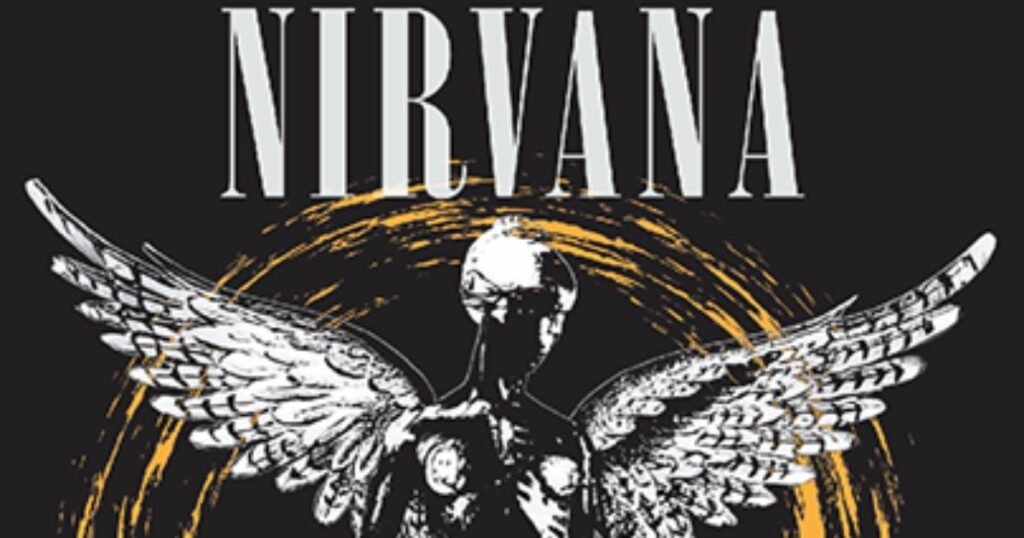
The symbol of Nirvanal remains visible in modern pop culture through clothing, music, and online content. Its yellow smiley face often appears on T-shirts, posters, and accessories. For some people, it represents a love of alternative rock. Others enjoy its vintage style and unusual design, which stands out from ordinary smiley faces.
The symbol can also express individuality, nostalgia, or a connection to grunge culture. Younger fans may recognize it through fashion and social media, even if they discovered Nirvana recently. Its meaning is not fixed for everyone. Some see a playful logo, while others connect it with music history and the band’s lasting cultural influence.
Common Misconceptions About the Nirvana Symbol
The Nirvana smiley face is famous, but people often misunderstand its meaning and origin. Some connect it with religion, while others believe every design detail has an official explanation. Here are three common misconceptions and the facts behind them.
It Represents Buddhism’s Nirvana
The Nirvana smiley face is not a traditional Buddhist symbol. In Buddhism, nirvana means liberation from suffering and the cycle of rebirth. The band’s logo is a separate design associated with its music and visual identity. Although both share the word Nirvana, there is no confirmed connection between the smiley face and Buddhist teachings.
Every Detail Has an Official Explanation
The crossed eyes and crooked smile have inspired many fan theories. Some people interpret them as signs of rebellion, irony, or humor. However, Nirvana has not officially explained every part of the design. These meanings are personal interpretations rather than confirmed facts. The symbol’s mystery allows different viewers to connect with it in their own ways.
The Symbol Was Created by a Professional Agency
Some people assume a professional branding agency created the symbol of Nirvana. However, its origin has been disputed. Former Geffen Records art director Robert Fisher claimed he designed it in 1991, while Nirvana’s legal filings attributed it to Kurt Cobain. The later legal dispute ended in a settlement, without a final court ruling establishing one definitive creator.
Lasting Legacy of the Nirvana Symbol
The symbol of Nirvana remains one of the most recognizable images in rock music. Its crossed eyes and crooked smile helped create a unique visual identity for the band. Even decades later, fans recognize it on shirts, posters, and accessories. The design continues to connect people with Nirvana’s music and the spirit of 1990s grunge culture.
Its lasting appeal comes from its simple shape and open meaning. Some fans wear it to celebrate the band, while others enjoy its vintage style. Younger listeners also encounter it through fashion and social media. Although its original meaning remains uncertain, the Nirvana symbol continues to represent alternative music, individuality, and an influential era in popular culture.
- Music history: Connects fans with Nirvana and 1990s alternative rock.
- Grunge culture: Reflects the era’s unconventional music and fashion.
- Recognizable design: Its crossed eyes and crooked smile remain memorable.
- Fashion appeal: Appears on vintage-inspired clothing and accessories.
- Personal meaning: Fans interpret the symbol in different ways.
Frequently Asked Question
Did Nirvana support LGBTQ?
Nirvana publicly opposed homophobia and supported LGBTQ acceptance, helping connect the band’s music and Nirvana Symbol with inclusivity.
What is the logo of Nirvana?
The Symbol of Nirvana is the band’s famous yellow smiley logo, recognized by its crossed eyes and distinctive crooked smile.
Is Nirvana a religion?
Nirvana is not a religion. In Buddhism, nirvana means liberation from suffering, while the Nirvana Symbol represents the rock band.
Why is Nirvana so special?
Nirvana became influential through its music, grunge style, and cultural impact, while the Symbol of Nirvana strengthened its recognizable identity.
Is LGBT allowed in Buddhism?
Buddhist views differ across traditions, but many communities emphasize compassion, acceptance, and avoiding harm toward others, including LGBTQ people.
Did Nirvana believe in God?
Nirvana did not promote one specific belief in God. Its music focused more on personal experiences, society, emotions, and individuality.
What does nirvana really mean?
In Buddhism, nirvana means liberation from suffering, attachment, and rebirth. This spiritual meaning differs from the band’s Nirvana Symbol.
What was Nirvana’s OG name?
Nirvana used several early names before settling on Nirvana, including Fecal Matter and Skid Row, during the band’s early development.
What did Nirvana stand for?
Nirvana represented alternative rock, individuality, and resistance to mainstream expectations, while the Nirvana Symbol became part of its lasting cultural identity.
Who designed the Nirvana symbol?
The exact creator of the Nirvana Symbol remains disputed, with different claims connecting its design to Kurt Cobain and the band.
Conclucion
The Nirvana Symbol is one of the most recognizable images in rock music history. Its yellow smiley face, crossed eyes, and crooked smile make it unique. It represents the band’s identity and connection to grunge culture. Many fans associate it with alternative rock, individuality, and rebellion. Although its exact meaning remains debated, this iconic design continues to attract attention. It reminds people of Nirvana’s music and lasting influence.
Today, the Nirvana Symbol remains popular among older fans and younger generations. Its simple design makes it easy to recognize and remember. It appears on shirts, posters, tattoos, and other merchandise. Some people wear it to express their love for the band, while others connect it with nostalgia and personal style. Its cultural meaning may vary from person to person. Overall, this famous smiley face remains a lasting part of music history and popular culture.