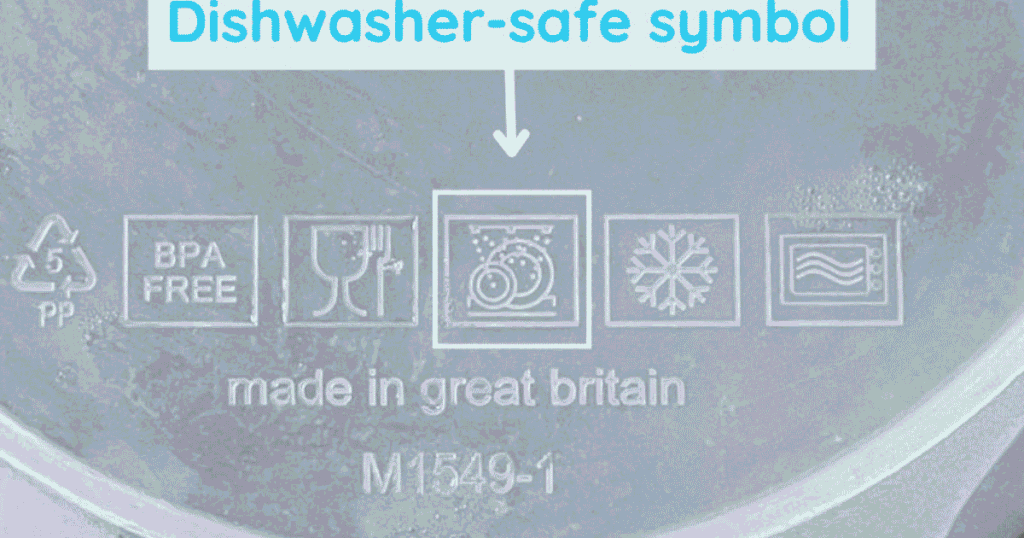

Have you ever picked up a dish or container and wondered if it is safe for the dishwasher? You are not alone. Choosing the wrong setting can damage dishes, warp plastic, or leave you with an unpleasant surprise. The Dishwasher Safe Symbol makes this decision easier by showing whether an item can safely handle dishwasher cleaning without causing damage.
In this guide, you’ll learn what the Dishwasher Safe Symbol looks like and what it means. We’ll explain common dishwasher symbols, their variations, and where you can usually find them on kitchen items. You’ll also learn how to check different materials, avoid common mistakes, and decide when handwashing is the safer choice for your dishes.
What Does the Dishwasher Safe Symbol Mean?
The Dishwasher Safe Symbol tells you that an item can safely go into a dishwasher. You’ll often see it on dishes, containers, bottles, and kitchen tools. The symbol usually shows dishes or a glass inside a dishwasher. It helps you understand basic cleaning instructions before placing an item inside.
However, dishwasher-safe doesn’t mean an item can handle every cycle. Heat, detergent, and water pressure may still cause damage. Always check the product instructions for extra guidance. Some items may be safe only on the top rack or with a gentle dishwasher setting.
Common Dishwasher Safe Symbols

Different dishwasher symbols can show whether an item is safe to clean, where it should go, or which cycle works best. Learning these simple markings helps you avoid damage and clean kitchenware with confidence.
- Dishwasher Safe Symbol: Shows that the item is suitable for dishwasher cleaning.
- Top Rack Symbol: Means the item should stay on the upper rack.
- Heat-Safe Symbol: Indicates that the material can handle dishwasher heat.
- Hand Wash Symbol: Tells you to wash the item by hand.
- Not Dishwasher Safe Symbol: Warns against placing the item inside a dishwasher.
- Dishwasher Temperature Symbol: May indicate a recommended temperature limit.
- Dishwasher and Microwave Symbols: Helps you tell dishwasher safety apart from microwave safety.
Why Manufacturers Use Dishwasher Symbols
Manufacturers use dishwasher symbols to provide clear care instructions without taking up much space. These simple markings help you understand how to clean a product safely. Instead of reading lengthy instructions, you can check the symbol quickly. This makes everyday kitchen care easier and helps you choose the right cleaning method for dishes, containers, bottles, and utensils.
Dishwasher symbols also help prevent damage caused by high heat, strong water pressure, or harsh detergent. They can tell you whether an item belongs on the top rack or needs hand washing. Clear markings reduce confusion between different products. They also help protect kitchenware from warping, cracking, fading, or other common dishwasher-related problems during regular cleaning.
- Show whether an item is suitable for dishwasher cleaning.
- Indicate if the top rack is recommended.
- Provide basic care instructions.
- Help prevent heat-related damage.
- Reduce confusion about cleaning methods.
- Warn when hand washing is needed.
- Make product care quick and easy to understand.
Top Rack Safe vs Dishwasher Safe
Top rack safe and dishwasher safe aren’t always the same. One limits placement, while the other generally confirms dishwasher cleaning is suitable for the item.
| Feature | Top Rack Safe | Dishwasher Safe |
| Main meaning | Safe for the dishwasher’s top rack | Safe for dishwasher cleaning |
| Rack placement | Should stay on the top rack | May be suitable for either rack |
| Heat exposure | Designed for lower heat | Can usually handle dishwasher heat |
| Best for | Delicate or heat-sensitive items | Durable kitchenware |
| Common materials | Plastic, silicone, and lightweight items | Glass, ceramic, stainless steel, and plastics |
| Bottom rack use | Usually not recommended | Often allowed if instructions permit |
| Dishwasher cycle | Follow the product’s care instructions | Usually works with suitable cycles |
| Heat protection | Helps reduce exposure to intense heat | Material is designed to tolerate dishwasher conditions |
| Example items | Plastic containers and baby products | Plates, glasses, utensils, and cookware |
| Important tip | Place only on the upper rack | Always check the product instructions before washing |
Read More : Unalome Symbol: Meaning, History, Buddhism, Tattoos & Spirituality
Materials That Commonly Display the Dishwasher Safe Symbol
Different materials react differently to dishwasher heat, water pressure, and detergent. Stainless steel, glass, ceramic, silicone, and hard plastic are common examples. However, even within the same material, finishes and designs can change how safely an item handles dishwasher cleaning. Checking the product label remains the best way to avoid damage and protect your kitchenware.
Stainless Steel
Stainless steel often handles dishwasher cleaning well, making it common in utensils, cookware, bottles, and food containers. However, finishes can react differently to strong detergent. Some pieces may develop dull spots or discoloration over time. Insulated bottles need extra attention because their seals or coatings may have special care instructions. Always check the dishwasher-safe marking before washing.
Glass
Glass is commonly dishwasher safe, especially everyday drinking glasses, plates, and storage containers. Still, sudden temperature changes can stress certain glass and cause cracks. Thin or decorative glass may need extra care. Place each piece securely so it doesn’t knock against others. A dishwasher symbol can confirm whether the manufacturer approves dishwasher cleaning for that particular glass item.
Ceramic
Ceramic dishes often tolerate dishwasher cleaning, but their finishes can vary widely. Glazed ceramic usually handles regular cycles well, while hand-painted designs may fade with repeated washing. Gold or metallic decorations can also become damaged. A dishwasher-safe marking offers useful guidance. For valuable or decorative ceramic pieces, hand washing can help preserve their colors, patterns, and finish.
Silicone
Silicone is flexible and generally handles dishwasher heat well. That makes it popular for baking molds, food covers, utensils, and baby products. However, silicone can absorb strong smells from foods or detergents. Smaller silicone pieces should stay secure during cleaning. Check the care instructions because heat resistance alone doesn’t guarantee every silicone product is suitable for dishwasher use.
Hard Plastic
Hard plastic containers are common dishwasher-safe items, but they need more attention than glass or stainless steel. High heat can warp certain plastics, especially those placed near heating elements. Look for a dishwasher-safe marking and check whether the item is top rack safe. Don’t assume every sturdy plastic container can handle repeated dishwasher cleaning without changes.
Materials That May Need Hand Washing

Some materials can react badly to dishwasher heat, water pressure, or detergent. Hand washing helps prevent cracks, fading, warping, scratches, and other damage.
- Wood: Wooden utensils and cutting boards can crack, swell, or lose their finish in the dishwasher.
- Delicate Glass: Thin glass may crack or break because of high heat and sudden temperature changes.
- Hand-Painted Ceramics: Decorative designs can fade or wear away after repeated dishwasher cycles.
- Nonstick Cookware: Strong heat and detergent may damage some nonstick coatings over time.
- Copper: Copper items can lose their shine and develop discoloration during dishwasher cleaning.
- Cast Iron: Cast iron can rust when exposed to water and dishwasher detergent.
- Crystal: Crystal glassware is delicate and may become cloudy, scratched, or damaged in the dishwasher.
Where to Find the Dishwasher Safe Symbol
You can usually find the Dishwasher Safe on the bottom, back, or side of kitchen products. Check containers, bottles, plates, cups, utensils, and cookware for a small care marking. Plastic containers often have the symbol underneath their base. Glassware may show it near the bottom or on the packaging. Check carefully before washing any item.
The symbol may also appear on product packaging, labels, or instruction manuals. Some manufacturers print care instructions on tags or product inserts. If you cannot find a clear marking, check the manufacturer’s instructions before using the dishwasher. This is especially important for plastic, decorated ceramic, insulated bottles, and other items that may need special care.
Read More : Fog Light Symbol: Meaning, Colors, Uses, Laws & Dashboard Guide
Dishwasher Safe Does Not Mean Damage-Proof
A dishwasher-safe label means an item can handle dishwasher cleaning under suitable conditions. It does not mean the product can never crack, fade, warp, or wear out. High heat, strong detergent, water pressure, and repeated cycles can still affect some materials. Always follow the care instructions and use the recommended dishwasher rack for better results and longer use.
Even dishwasher-safe products can suffer damage when placed incorrectly or washed on unsuitable settings. Plastic may warp near the heating element, while decorated dishes can lose their finish. Glass can crack from sudden temperature changes. Check the product instructions before each wash, especially for delicate items. Proper placement and suitable cycles help reduce unnecessary damage over time.
How Dishwashers Affect Kitchen Products
Dishwashers use hot water, strong sprays, and detergent to clean kitchen products. These conditions can affect different materials in various ways. Heat may soften plastic, while powerful water pressure can move lightweight items. Detergent may also dull certain finishes. Understanding these effects helps you choose suitable products and use the dishwasher safely during regular kitchen cleaning.
Repeated dishwasher cycles can slowly change the appearance and condition of some items. Plastic may warp, glass can develop cracks, and decorations may fade. Wooden products can swell or split after exposure to water and heat. Proper placement can reduce these risks. Always check the care label and follow the recommended washing instructions for each kitchen product.
Can Plastic Containers Go Inside the Dishwasher?

Plastic containers can go inside the dishwasher when they are clearly marked as dishwasher safe. Check the bottom or side for a suitable care symbol before washing. Some plastics can handle high temperatures, while others may soften or warp. When unsure, place the container on the top rack and follow the manufacturer’s cleaning instructions carefully.
The top rack is usually safer for plastic containers because it keeps them farther from the dishwasher heating element. High heat can cause some plastics to bend, shrink, or lose their shape. Lightweight containers may also move during a cycle. Secure them properly and avoid placing plastic items near areas that receive direct, intense heat.
Not every plastic container is suitable for dishwasher cleaning. Older containers, thin plastics, and products without clear care instructions may need hand washing. Repeated exposure to heat and detergent can also cause discoloration or surface changes. Check the dishwasher-safe marking each time you buy a new container, and follow any instructions about rack placement or washing temperature.
- Check the symbol: Look for a dishwasher-safe marking before washing plastic containers.
- Use the top rack: Keep plastic away from the strongest heat near the bottom.
- Avoid thin plastic: Lightweight or delicate plastic may warp during hot cycles.
- Follow temperature guidance: Use the recommended dishwasher setting when instructions provide one.
- Secure containers: Place containers where they cannot move or fall during cleaning.
- Check the lids: Some plastic lids may need separate care or hand washing.
- Replace damaged containers: Discard plastic items that become cracked, warped, or badly worn.
Dishwasher Safe Symbol on Baby Products
Baby products often need careful cleaning, and a dishwasher-safe marking shows whether they can handle heat, water, and detergent. Always check product instructions before washing them.
- Baby Bottles: Many bottles are dishwasher safe, but always check their care label first.
- Bottle Nipples: Some nipples can go in the dishwasher, while others may need gentle hand washing.
- Pacifiers: Check the packaging or manufacturer’s instructions before placing pacifiers in the dishwasher.
- Sippy Cups: Separate cups, lids, valves, and seals before washing them for proper cleaning.
- Breast Pump Parts: Some parts are dishwasher safe, but electrical components should never go inside.
- Teething Toys: Only wash teething products in the dishwasher when the manufacturer approves it.
- Top Rack Placement: Place dishwasher-safe baby items on the top rack to reduce exposure to intense heat.
Dishwasher Safe Symbol on Water Bottles
Water bottles may have a dishwasher-safe marking on the bottom, side, or packaging. This symbol means the bottle can usually handle dishwasher cleaning under recommended conditions. Always check the care instructions before washing. Some bottles should stay on the top rack, while others can safely go on the bottom rack, depending on their material and design.
Different bottle materials respond differently to dishwasher heat. Stainless steel bottles may have special care instructions, especially insulated models. Plastic bottles can warp if exposed to excessive heat. Silicone parts, lids, and seals may also need separate cleaning. Check every removable part for its own instructions, and avoid using the dishwasher when the manufacturer recommends hand washing.
Does Every Brand Use the Same Symbol?
Brands may use slightly different dishwasher symbols, but the meaning is often similar. Check the product instructions because symbols, rack guidance, and care labels can vary between manufacturers.
- Common Design: Many brands use a dish or plate with water drops to show dishwasher safety.
- Different Symbols: Some manufacturers use unique designs or markings for dishwasher care.
- Top Rack Marking: A separate symbol may show that an item belongs on the top rack.
- Care Instructions: Always read the label when the symbol is unclear.
- Packaging Labels: Brands may explain symbols on product packaging or instruction sheets.
- Material Differences: The same material may have different dishwasher instructions depending on the product design.
- Manufacturer Guidance: When unsure, follow the brand’s recommended cleaning method rather than guessing.
Dishwasher Safe Symbol and Microwave Safe Symbol
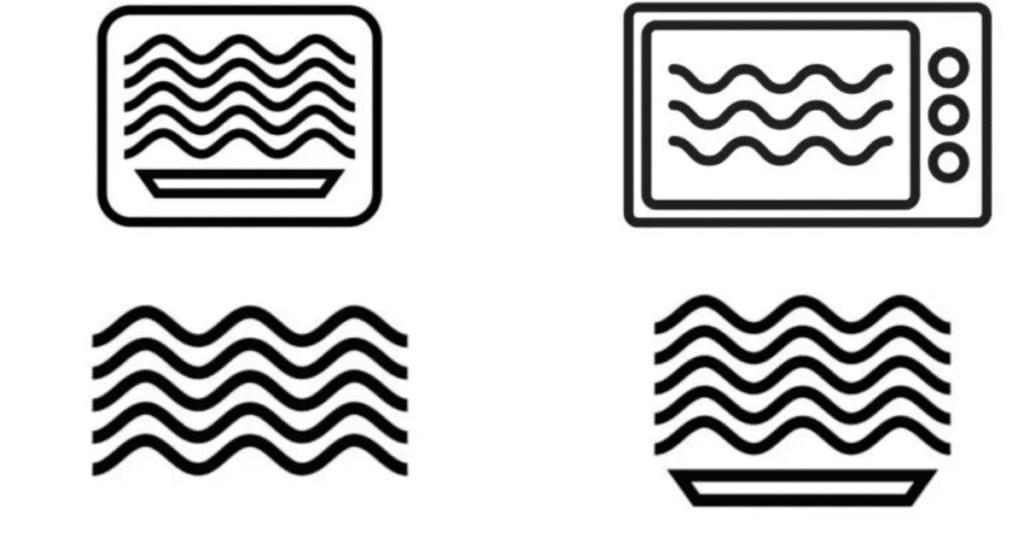
The Dishwasher Safe shows that an item can usually handle dishwasher cleaning. The microwave safe symbol means the product is suitable for microwave heating. These symbols have different purposes. An item may be dishwasher safe but not microwave safe. Always check both markings before using a container for cleaning and heating in your kitchen.
Some plastic containers carry both symbols, while others have only one. Dishwasher heat and microwave heat affect materials differently. Check the product label and follow the manufacturer’s instructions carefully. Never assume one symbol means the other. Using the correct marking helps prevent melting, warping, cracking, or other damage during cleaning or heating.
Benefits of Reading Dishwasher Symbols
Reading dishwasher symbols helps you understand how to clean kitchen products safely. These markings can prevent damage, save time, and help your dishes, containers, and utensils last longer.
- Prevents Damage: Symbols help you avoid heat, detergent, or washing methods that could damage products.
- Saves Time: Clear markings make it easier to choose the right cleaning method without guessing.
- Protects Materials: They help protect plastic, glass, ceramic, silicone, and other materials during cleaning.
- Improves Product Life: Following care instructions can help kitchen products remain useful for longer.
- Shows Rack Placement: Some symbols tell you whether an item should stay on the top rack.
- Reduces Mistakes: Reading symbols helps prevent accidental dishwasher use on items that need hand washing.
- Supports Safe Cleaning: Proper dishwasher guidance helps you choose suitable cycles and cleaning settings for each product.
Mistakes People Make
People often make simple mistakes when using dishwasher-safe products. They may ignore the care label, place plastic near the heating element, or assume every item is safe. Some also mix dishwasher-safe and hand-wash items together. Checking the symbol and following the manufacturer’s instructions can prevent damage. Proper rack placement also helps protect kitchen products during cleaning cycles.
Another common mistake is assuming dishwasher safe means damage-proof. Repeated heat, strong detergent, and water pressure can still affect some materials. People may also confuse dishwasher and microwave symbols. Using the wrong cycle can cause warping, cracks, fading, or other problems. Always check the product instructions and choose a suitable cycle for safer cleaning.
- Ignoring the Care Label: Never assume an item is dishwasher safe without checking its instructions.
- Using the Wrong Rack: Placing plastic or delicate items on the bottom rack can expose them to excessive heat.
- Overloading the Dishwasher: Crowded dishes may block water sprays and prevent proper cleaning.
- Ignoring Top Rack Instructions: Some products can only safely handle the lower heat of the top rack.
- Confusing Symbols: Dishwasher-safe and microwave-safe symbols have different meanings and should not be confused.
- Using Excessive Heat: Very hot cycles can damage plastic, decorations, and delicate materials.
- Skipping Manufacturer Instructions: When a symbol is unclear, follow the product’s specific cleaning instructions.
How to Care for Dishwasher Safe Products
Place dishwasher-safe products correctly before starting a cycle. Keep plastic items on the top rack when required. Avoid overcrowding the dishwasher, as items need space for water and cleaning detergent. Choose a suitable cycle and temperature for the materials. Check care labels regularly, especially after buying new containers, bottles, dishes, or kitchen utensils for everyday use.
Remove items carefully after the cycle ends and let them cool before handling. Dry products properly to prevent water spots and moisture buildup. Inspect plastic, glass, ceramic, and silicone items for cracks or damage. Replace products that become badly worn. Following simple care instructions helps dishwasher-safe products stay useful, clean, and in good condition for longer.
Frequently Asked Questions
What symbol is for dishwasher safe?
The Dishwasher Safe Symbol usually shows dishes with water drops. It means the item is suitable for dishwasher cleaning.
Is the glass and fork symbol mean dishwasher safe?
The Dishwasher Safe Symbol differs from the glass and fork symbol. The latter usually indicates food contact safety, not dishwasher use.
What is the European symbol for dishwasher safe?
The Dishwasher Safe Symbol in Europe can vary. Look for dishes with water sprays or check the product care instructions.
What is the symbol for dishwasher safe on Tupperware?
The Dishwasher Safe on Tupperware may show dishes under water sprays. Check the product base or care instructions.
What does the dishwasher safe symbol look like?
The Dishwasher Safe commonly shows dishes with water drops or spray lines. Designs may vary between manufacturers and products.
Where can I find the dishwasher safe symbol?
The Dishwasher Safe is often found on the bottom, side, packaging, or care label of a product.
Does dishwasher safe mean top rack safe?
The Dishwasher Safe doesn’t always mean top rack only. A separate marking may specify whether the item belongs on the upper rack.
Does dishwasher safe mean microwave safe?
The Dishwasher Safe Symbol only confirms dishwasher use. It doesn’t confirm microwave safety, so check for a separate microwave-safe marking.
Can plastic containers use the dishwasher safe symbol?
Yes, plastic containers can display a Dishwasher Safe when designed for dishwasher cleaning. Check whether they require top-rack placement.
Is the dishwasher safe symbol the same worldwide?
The Dishwasher Safe Symbol can vary between brands and regions. Always check manufacturer instructions for accurate dishwasher care information.
Conclusion
The Dishwasher Safe Symbol makes kitchen care easier and helps you choose the right cleaning method. It can show whether dishes, containers, bottles, and utensils are suitable for dishwasher use. Still, you should always check the product label and care instructions. Some items may need the top rack, lower heat, or gentle cycles. Others may be better washed by hand. Knowing these details can help prevent cracks, warping, fading, and other damage.
The Dishwasher Safe Symbol is useful, but it does not mean every product is damage-proof. Materials can react differently to heat, water pressure, and detergent. Plastic may warp, glass may crack, and decorations can fade over time. Check symbols carefully before each wash. Use the recommended rack and cycle for better results. These simple steps can protect your kitchen products and help them stay useful for longer.