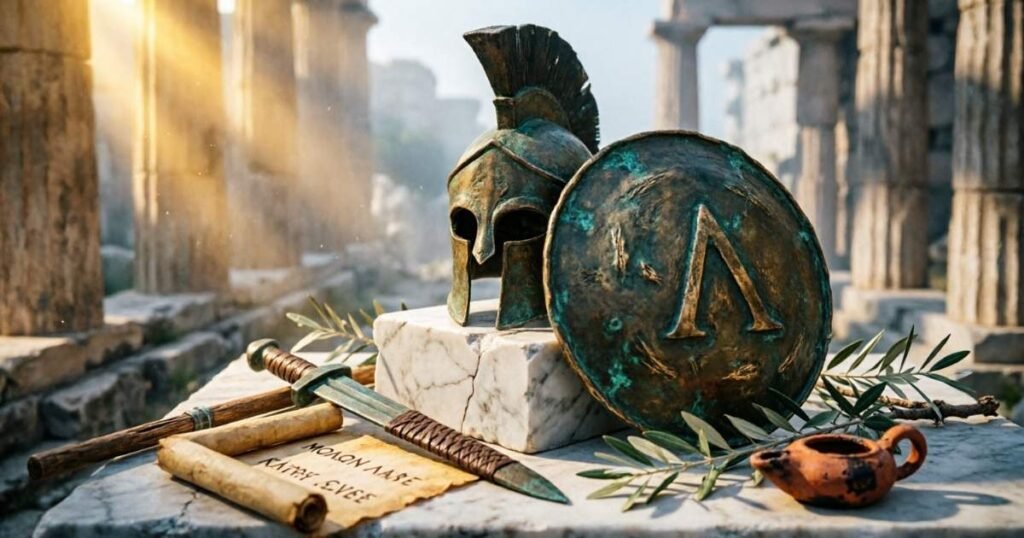

Have you ever seen a Spartan warrior symbol and wondered what it really stands for? The Spartan Symbol often brings to mind courage, strength, discipline, and fearless warriors. Many people search for the sparta symbol, easy sparta symbol, and sparta symbol meaning to understand its history and deeper ideas.
In this guide, you’ll learn about the origins and meaning behind the Spartan Symbol. We’ll also explain the spartans symbol and the spartan helmet symbol meaning in simple terms. Whether you’re interested in ancient Sparta, Greek history, or modern designs, this guide will give you clear and useful answers.
Meaning Behind the Spartan Symbol
The Spartan Symbol represents courage, strength, discipline, and loyalty. It reflects the values of ancient Spartan warriors who trained hard and served their city. Their way of life focused on duty, bravery, and self-control. The symbol also connects with Spartan culture and military discipline, reminding people of warriors who faced danger with confidence, unity, and determination.
The Spartan warrior symbol also represents honor, sacrifice, resilience, and fearlessness. Spartans were expected to remain strong during difficult times. Their shield and helmet became powerful images of protection and teamwork. Today, the symbol inspires people who value strength and determination. It can represent a strong mindset, personal courage, and the will to overcome challenges.
Origins of Spartan Culture
Spartan culture developed in ancient Sparta, a powerful city-state in southern Greece. Its society valued discipline, courage, loyalty, and military service. Young boys entered the Agoge, a strict training system that taught endurance and obedience. This system shaped Spartan warriors and prepared them for the demands of battle, duty, and life in the Spartan community.
The Spartan way of life focused strongly on military readiness and group responsibility. Spartan soldiers trained to fight together in a disciplined phalanx. Their culture praised courage and sacrifice above personal comfort. Over time, these traditions shaped Spartan history and created the strong warrior identity associated with ancient Sparta, its army, and its famous defenders.
Most Famous Spartan Symbol
The most famous Spartan is often the Lambda symbol, which was associated with Lacedaemon, the name used for the Spartan state. It became linked with Spartan identity, military heritage, and the warriors of ancient Sparta.
The Lambda was reportedly placed on Spartan shields to identify their forces. However, historians note that the evidence for this practice comes mainly from later sources. The interpretation may vary depending on the situation:
- Spartan identity: The Lambda represented Lacedaemon and helped connect warriors with their homeland.
- Military heritage: It became associated with the Spartan army and its disciplined warrior culture.
- Unity: The shield and its markings could represent soldiers standing together as one fighting force.
- Modern meaning: Today, the Lambda appears in Spartan logos, tattoos, sports designs, and popular culture.
- Historical caution: Modern images can exaggerate Spartan symbols, so not every Spartan design reflects historical evidence.
The Spartan Helmet
The Spartan helmet is one of the best-known images of ancient Greek warriors. It represents strength, discipline, protection, honor, and fearlessness. Spartan soldiers wore helmets as part of their battle equipment. The helmet helped protect the head during close combat. Today, its bold shape is widely recognized as a symbol of Spartan warrior culture.
The Spartan helmet also reflects the demanding life of Spartan soldiers. It is often linked with courage and military discipline. In modern designs, it can appear in logos, tattoos, artwork, and fitness branding. However, some modern images make Spartan armor look more dramatic than historical examples from ancient Sparta.
Lambda Symbol in Spartan History
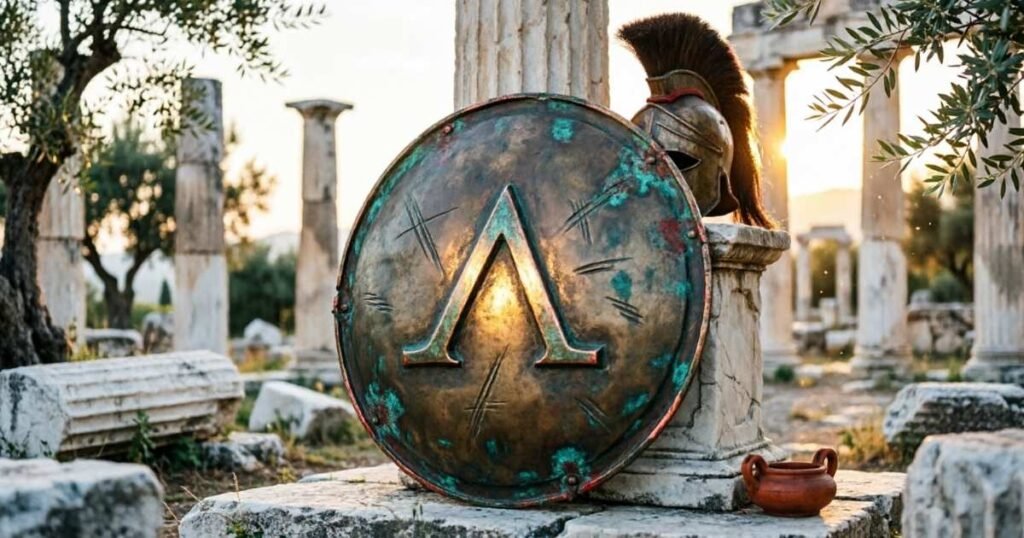
Greek letter Λ and was associated with Lacedaemon, the name for the Spartan state. It later became closely linked with Spartan identity, military tradition, and ancient Greek warrior culture. The symbol is now widely recognized in modern Spartan designs.
Ancient sources suggest that Spartans used the Lambda on their shields. However, historians debate how widely this practice was used. The letter may have identified soldiers with Lacedaemon. It also became connected with the Spartan army and its disciplined fighting tradition. The symbol remains an important part of popular Spartan imagery today.
The Spartan Lambda is often viewed as a sign of unity, courage, and military heritage. Its meaning has grown beyond its historical use. Modern tattoos, logos, and artwork often use the Lambda to represent strength and resilience. Still, modern interpretations should not always be treated as exact evidence of ancient Spartan customs.
Read More : No Dryer Symbol: Meaning, Uses, Fabrics & Laundry Care Guide
Spartan Shield Symbolism
The Spartan shield was an important part of ancient Greek warfare. It protected soldiers during close combat and supported the Spartan phalanx. Beyond protection, the shield represented unity, teamwork, courage, and duty. Each soldier depended on others to hold the formation. This made the shield a powerful image of collective strength and loyalty.
The Spartan shield also reflected military discipline. Soldiers had to keep their position and protect nearby fighters. Leaving the formation could put the whole group at risk. For this reason, the shield became linked with responsibility and sacrifice. Its meaning goes beyond individual bravery and highlights the strength created when warriors stand together.
Today, the Spartan shield symbol appears in tattoos, logos, artwork, and modern branding. Many people use it to represent strength and resilience. It can also suggest protection and determination. However, modern designs may add meanings that were not part of ancient Spartan culture. The historical shield was mainly a practical tool used in organized warfare.
Spartan Warrior Lifestyle
The Spartan warrior lifestyle centered on discipline, physical training, and service to the state. From a young age, many Spartan boys entered the Agoge training system. They learned endurance, obedience, and combat skills. Daily life encouraged toughness and self-control. These traditions helped shape the strong warrior culture linked with ancient Sparta and its military heritage.
Spartan soldiers lived by strict rules and strong group values. Personal comfort often mattered less than duty and responsibility. The Spartan army relied on teamwork, especially during battle formations. Loyalty to fellow soldiers played an important role. This lifestyle also promoted courage, resilience, and sacrifice, although its harsh demands could create serious pressure for individuals.
The Spartan lifestyle remains popular because many people admire its focus on strength and determination. However, modern ideas often simplify or romanticize Spartan life. Real Spartan society was complex and demanding. Today, people may connect Spartan values with fitness, discipline, leadership, and personal growth while recognizing the difficult realities behind the famous warrior identity.
- Discipline: Daily routines emphasized obedience, self-control, and responsibility.
- Physical training: Strength and endurance prepared Spartan warriors for demanding military life.
- Teamwork: Soldiers relied on one another within the Spartan phalanx.
- Courage: Facing danger was considered an important part of warrior culture.
- Sacrifice: Personal interests could be placed below duty to the Spartan community.
Spartan Lifestyle Traits
Spartan lifestyle traits focused on discipline, courage, loyalty, and self-control. People in ancient Sparta valued strength and endurance. Young males received strict Agoge training from an early age. This training prepared them for military duties. It also taught obedience, teamwork, resilience, and the importance of serving the Spartan community.
Another important trait was simplicity. Spartan culture discouraged excessive comfort and luxury. Warriors learned to endure hunger, hardship, and physical challenges. They were expected to remain calm under pressure. Courage and sacrifice were highly respected. These qualities helped create the disciplined image connected with Spartan soldiers and their military tradition.
The Spartan lifestyle also valued loyalty and responsibility. Soldiers depended on one another during battle. Strong teamwork was essential for the phalanx. This culture created a powerful sense of unity. However, its strict rules could make daily life difficult. Modern people often admire these traits while overlooking the harsher sides of ancient Spartan society.
Spartan Symbol in Modern Culture
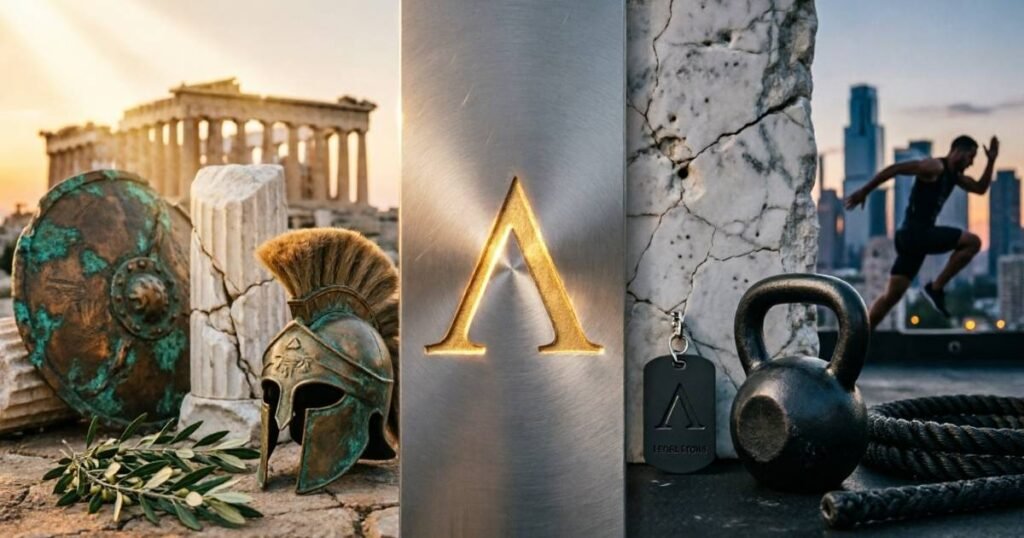
The Spartan remains popular in modern culture. It appears in movies, video games, tattoos, logos, and artwork. Popular stories about ancient Sparta often present warriors as strong and fearless. These images have helped keep Spartan history visible. They also connect the symbol with courage, discipline, strength, and resilience in modern society.
Modern media often uses Spartan imagery to create a powerful warrior identity. The Spartan helmet and shield are common visual designs. Games such as Halo and God of War have also shaped popular ideas. These fictional versions may differ from history. Still, they keep ancient Spartan themes familiar to new audiences across the world today.
The symbol also appears outside entertainment. Sports teams, fitness brands, and clothing companies use Spartan designs to suggest determination. Tattoos may represent personal strength or endurance. Some uses focus on historical meaning while others emphasize modern ideals. As a result, the Spartan can carry different meanings depending on the context and purpose.
- Movies: Spartan warriors often represent courage and sacrifice.
- Gaming: Spartan imagery creates strong warrior characters and identities.
- Tattoos: Designs can symbolize strength, resilience, or determination.
- Sports: Spartan logos often suggest teamwork and competitive spirit.
- Branding: Modern companies use Spartan images to communicate power and discipline.
Spartan Tattoos and Their Meaning
Spartan tattoos often represent strength, courage, discipline, and resilience. Many designs feature a Spartan helmet, shield, warrior, or Lambda symbol. People may choose these images to express determination and personal endurance. The tattoo can also reflect an interest in ancient Sparta, military history, or the famous warrior culture associated with Spartan soldiers.
A Spartan helmet tattoo commonly symbolizes protection, honor, and fearlessness. A shield design can represent unity and teamwork. The Lambda may connect the tattoo with Lacedaemon and Spartan identity. Some people choose a warrior tattoo to represent courage during difficult times. The meaning can be personal and may differ from the original historical use.
Modern Spartan tattoos can range from simple symbols to detailed warrior scenes. Popular designs include helmets, shields, spears, and full Spartan warriors. Some combine these images with Greek patterns or short mottos. While these tattoos often celebrate positive traits, they can also romanticize the harsh realities of ancient Spartan society and military life.
Spartan Symbol in Sports
The Spartan is popular in sports because it suggests strength, courage, discipline, and teamwork. Many schools and sports teams use Spartan warriors, helmets, or shields as mascots. These designs create a strong team identity. They also connect athletes with the determined image of Spartan warriors and their famous military tradition.
Sports organizations often use Spartan logos on uniforms, banners, and merchandise. A helmet may represent protection and strength. A shield can suggest teamwork and unity. These meanings help motivate players and supporters. However, modern sports branding may simplify Spartan history and focus mainly on competitive strength, courage, and resilience.
- Team mascots: Spartan warriors create a bold athletic identity.
- Logos: Helmets and shields suggest strength and determination.
- Uniforms: Spartan designs help teams build a recognizable image.
- Fitness: Spartan imagery represents endurance and physical discipline.
- Team spirit: The shield can symbolize unity and teamwork.
Why People Admire Spartan Symbols
People admire Spartan because they represent strength, courage, discipline, and resilience. The Spartan helmet and shield create powerful images of warriors. These designs can remind people to stay strong during difficult moments. They also reflect teamwork, loyalty, and determination, which remain meaningful qualities in modern life.
Spartan symbols also connect people with ancient history and warrior culture. Many admire the bold image of Spartan soldiers and their military discipline. Tattoos, logos, and artwork use these symbols to express personal strength. Although modern ideas may romanticize Sparta, the symbols continue to inspire people through their lasting visual power.
Main Reasons Behind Popularity
Spartan remain popular because they combine bold designs with powerful ideas. They represent courage, strength, discipline, teamwork, and resilience while connecting modern audiences with ancient warrior culture.
- Strength: They represent physical and mental power.
- Courage: They suggest bravery when facing challenges.
- Discipline: They reflect control and focused training.
- Teamwork: The shield represents unity among warriors.
- Resilience: Spartan imagery suggests overcoming hardship.
- History: They connect people with ancient Sparta.
- Modern appeal: Bold designs work well in tattoos, logos, sports, and gaming.
Read Mor : Half Rest Symbol: Meaning, Beats, Uses & How to Read It
Difference Between Spartan and Greek Symbols
Spartans are part of the wider world of ancient Greek symbols. However, they often emphasize Sparta’s military culture, discipline, courage, and warrior identity more strongly.
| Aspect | Spartan Symbols | Greek Symbols |
| Cultural focus | Linked closely with ancient Sparta and its warrior society. | Represent the wider culture of ancient Greece. |
| Military meaning | Often connected with Spartan soldiers, warfare, and discipline. | Can represent many different aspects of Greek life and warfare. |
| Lambda | The Lambda is strongly associated with Lacedaemon and Spartan identity. | Lambda is simply a Greek letter with broader uses. |
| Helmet | Often represents Spartan strength, protection, and fearlessness. | Can represent Greek warriors or military history more generally. |
| Shield | Commonly linked with Spartan teamwork, unity, and military service. | Shields were widely used by Greek hoplites. |
| Warrior identity | Emphasizes the Spartan warrior and disciplined soldier. | May represent different Greek warriors, heroes, or gods. |
| Historical connection | Closely tied to Sparta’s military heritage and culture. | Covers many city-states, traditions, and historical periods. |
| Popular imagery | Often shows helmets, shields, spears, and Spartan warriors. | Includes gods, temples, Greek letters, mythology, and warriors. |
| Modern use | Popular in sports, fitness, tattoos, gaming, and warrior-themed branding. | Used broadly in education, art, mythology, architecture, and branding. |
| Overall meaning | Commonly suggests strength, courage, discipline, sacrifice, and resilience. | Can symbolize wisdom, mythology, democracy, philosophy, beauty, or military history. |
Spartan Motto and Warrior Philosophy
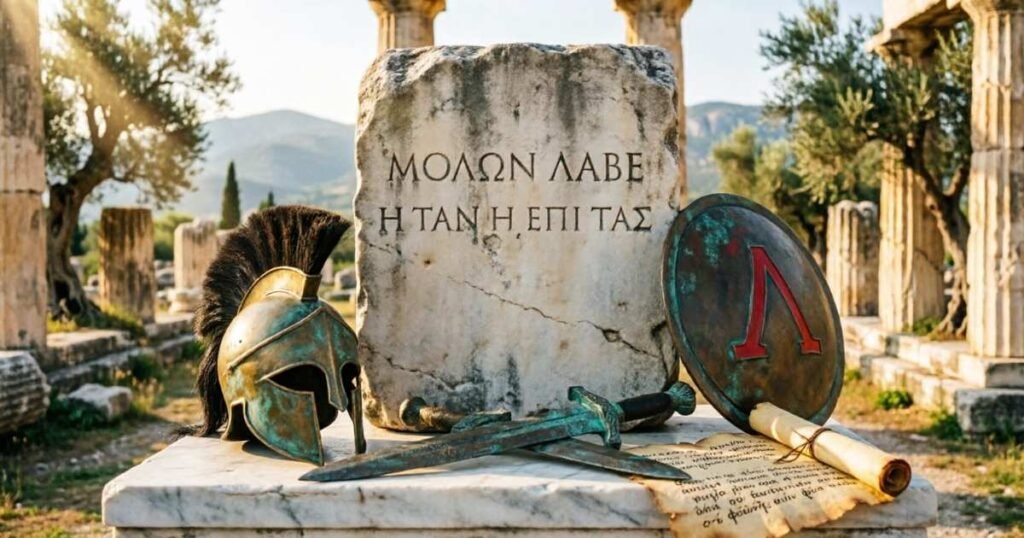
The Spartan motto is often connected with courage, duty, and standing firm. The phrase Molon Labe is strongly linked with Spartan warrior tradition. It means “come and take them.” The saying reflects defiance and bravery. It became associated with King Leonidas and the Battle of Thermopylae, although its historical context is more complex.
Spartan philosophy valued discipline, loyalty, sacrifice, and strength. Warriors were expected to protect their community and support fellow soldiers. Personal courage mattered, but teamwork was equally important. The Spartan warrior mindset focused on endurance and duty. Today, these ideas continue to influence modern views of courage, resilience, leadership, and military discipline.
Spartan Symbol in Fashion and Branding
The Spartan Symbol is popular in fashion and branding because it creates a bold, powerful image. Spartan helmets, shields, and warriors often suggest strength, discipline, courage, and confidence. Clothing brands may use these designs on shirts, jackets, and accessories. The imagery also appeals to people interested in fitness, military heritage, ancient history, and warrior culture.
In branding, Spartan logos can create a strong identity. Businesses and sports teams may use helmet or warrior designs to show determination. Fitness brands often connect them with endurance and resilience. Modern designs may look different from historical Spartan. Still, they use familiar warrior imagery to create a memorable and confident visual style.
- Clothing: Spartan designs appear on shirts, jackets, and accessories.
- Fitness brands: They suggest strength, endurance, and discipline.
- Sports logos: Spartan warriors can represent teamwork and competitive spirit.
- Military themes: Designs reflect courage, duty, and warrior heritage.
- Tattoos: Spartan imagery can express personal strength and resilience.
- Gaming: Warrior symbols create bold and memorable identities.
- Brand identity: Strong imagery helps businesses appear confident and determined.
Frequently Asked Questions
Why is lambda the symbol of Sparta?
Lambda became associated with Lacedaemon, the Spartan state. The Spartan Symbol represents Spartan identity, military heritage, and unity.
What does the Spartan logo mean?
A Spartan logo represents strength, courage, discipline, and resilience. The Spartan may feature a helmet, shield, warrior, or Lambda.
What is Sparta’s god?
Ares was the Greek god of war. However, the Spartan itself was not specifically a symbol of Ares.
Is Spartan Roman or Greek?
Spartans were Greek people from Sparta. The Spartan Symbol belongs to ancient Greek history and Spartan military culture.
What is the most famous Spartan symbol?
The Lambda is among the most famous Spartan. The Spartan Symbol also includes helmets, shields, and warrior imagery.
What does the Spartan helmet symbolize?
The Spartan helmet symbolizes protection, strength, discipline, honor, and fearlessness. The Spartan Symbol often uses it for warrior identity.
What does the Spartan shield symbolize?
The Spartan shield represents protection, unity, teamwork, and duty. The Spartan Symbol reflects soldiers standing together during battle.
What does the Spartan symbol represent?
The Spartan Symbol represents courage, strength, discipline, loyalty, sacrifice, and resilience. These values reflect ancient Spartan warrior culture.
Why are Spartan symbols popular today?
Spartan represent strength and determination. The Spartan Symbol appears in tattoos, sports, fitness, gaming, fashion, and branding.
What is the Spartan warrior symbol?
The Spartan warrior symbol often shows a helmeted soldier, shield, or spear. The Spartan represents courage, discipline, and warrior heritage.
Conclusion
The Spartan Symbol remains a powerful sign of courage, strength, discipline, and unity. The sparta symbol connects modern readers with ancient Sparta and its warrior culture. Its sparta symbol meaning can vary by context. An easy sparta symbol may offer a simple design for strength and courage. The Spartans symbol can also represent loyalty, sacrifice, resilience, and teamwork. The spartan helmet symbol meaning reflects protection, honor, discipline, and fearlessness.
Today, the Spartan Symbol appears in tattoos, logos, sports, gaming, fashion, and artwork. These designs can express personal courage and determination. They also keep the history of Spartan warriors alive in modern culture. A helmet, shield, warrior, or Lambda can carry a strong message. Understanding these symbols helps explain their lasting appeal. Their popularity comes from timeless ideas of strength, teamwork, discipline, and courage that still inspire people today.