

Have you ever taken your clothes out of the wash and wondered whether they can safely go into the dryer? Using the wrong setting can shrink fabric, damage delicate materials, or ruin a favorite outfit. The No Dryer Symbol makes this choice easier by warning you that an item should not be dried in a machine.
This guide explains what the symbol means and how to recognize it on different clothing labels. You’ll also learn how the symbol for no dryer, no dryer sign, and no dryer symbol appear and when they should be followed. With these simple tips, you can protect your clothes and avoid common laundry mistakes.
What Does the No Dryer Symbol Look Like?
The no dryer symbol looks like a square with a circle inside it. A large X or cross runs over the symbol. This crossed-out dryer shape means the garment should not go inside a tumble dryer. You’ll usually find it on the clothing care label with other laundry symbols.
Look closely at your clothing tag before drying clothes. The symbol may appear beside washing and fabric care symbols. It’s often called the no tumble dry symbol or do not tumble dry symbol. When you see it, choose air drying or another safe drying method instead.
Why Clothing Labels Use the No Dryer Symbol

Clothing labels use the No Dryer to protect garments from possible damage. Dryer heat can be too strong for certain materials. It may cause clothes to shrink, stretch, fade, or lose their original shape. The label gives you an important warning before you place the garment inside a tumble dryer after washing. Following it helps preserve the fabric and fit.
Different fabrics react differently to heat and movement. Delicate materials may become weak, misshapen, or damaged during machine drying. Some clothes also need gentle handling because their fibers cannot tolerate high temperatures. The care label tells you which drying method is safest. This simple symbol can help prevent expensive mistakes and keep your favorite clothes wearable for longer.
The No Dryer commonly appears on garments that need extra care. Always check the clothing care label before choosing a drying method. Pay special attention to:
- Wool and cashmere garments
- Silk and delicate fabrics
- Stretchable or fitted clothing
- Printed or decorated garments
- Clothes that need air drying
Read More : Half Rest Symbol: Meaning, Beats, Uses & How to Read It
Fabrics That Commonly Display the No Dryer Symbol
Some fabrics are more sensitive to heat, tumbling, and friction. Their care labels may show the no dryer to prevent shrinkage, stretching, fading, or other fabric damage.
| Fabric | Why It May Need No Dryer |
| Wool | Heat can cause shrinking and felting. |
| Cashmere | High heat may shrink or weaken soft fibers. |
| Silk | Dryer heat can damage its delicate fibers. |
| Lace | Tumbling may stretch or tear fine details. |
| Rayon | Heat can cause shrinking or shape changes. |
| Linen | High heat may increase shrinkage and wrinkles. |
| Spandex | Excessive heat can weaken its stretch. |
| Viscose | Machine drying may cause significant shrinkage. |
| Delicate knitwear | Tumbling can stretch or distort its shape. |
| Embroidered fabrics | Heat and movement may damage decorative stitching. |
Safe Alternatives to Machine Drying
When a garment can’t go in the dryer, you still have several simple drying options. These methods reduce heat exposure while helping clothes keep their shape, softness, and quality.
| Drying Method | How It Helps |
| Air drying | Lets clothes dry naturally without machine heat. |
| Line drying | Uses fresh air and sunlight to dry garments. |
| Drying rack | Provides a safe space for indoor drying. |
| Flat drying | Helps delicate garments maintain their shape. |
| Towel drying | Removes excess moisture before air drying. |
| Hanging indoors | Works well when outdoor space isn’t available. |
| Mesh drying rack | Supports delicate items while allowing airflow. |
| Drip drying | Allows water to drain naturally from wet clothes. |
| Shade drying | Protects fabrics from strong sunlight and fading. |
| Indoor air drying | Keeps clothes away from heat and outdoor weather. |
Flat Drying for Delicate Garments
Flat drying is a gentle way to dry delicate garments without using a tumble dryer. It helps sensitive fabrics keep their shape while reducing stretching, shrinking, and heat damage.
This method works well for wool, cashmere, silk blends, and delicate knitwear. After washing, remove excess water gently and place the garment on a clean, dry surface. Avoid hanging heavy wet fabrics because their weight can pull them out of shape.
The interpretation may vary depending on the situation:
- Best for knitwear: Lay wool and cashmere flat to help prevent stretching.
- Good for delicate fabrics: It reduces friction and dryer heat that may cause fabric damage.
- Use a clean towel: A towel or mesh drying rack can absorb moisture while supporting the garment.
- Avoid direct heat: Radiators and strong heat can still cause shrinkage or damage.
- Allow good airflow: Turn the garment when needed so both sides dry evenly.
Air Drying Benefits
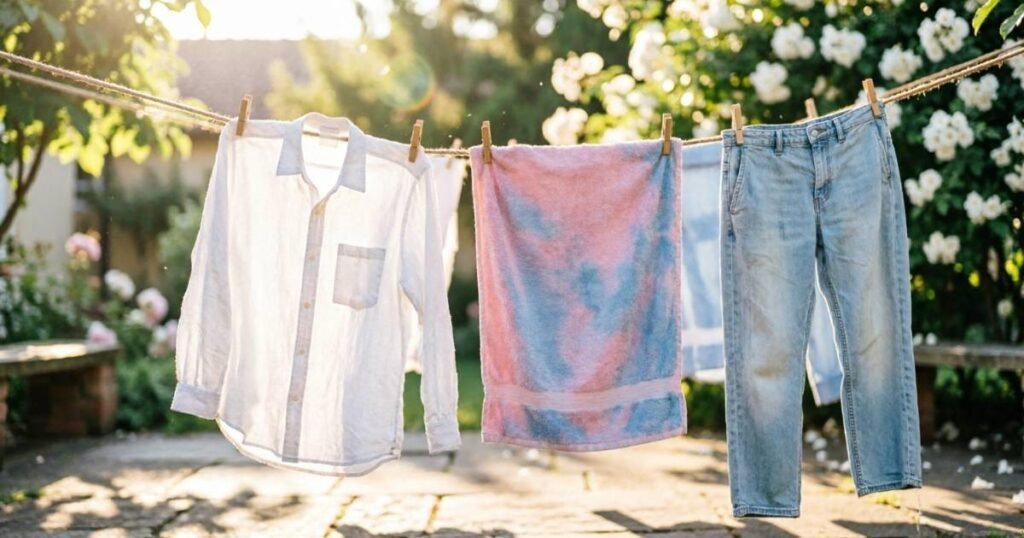
Air drying protects clothes from high dryer heat and rough tumbling. It can also help delicate fabrics keep their shape, color, softness, and overall quality.
- Helps reduce fabric shrinkage.
- Protects delicate fibers from heat damage.
- Uses less electricity than machine drying.
- Helps clothes maintain their original shape.
- Can extend garment life with gentle care.
- Works well for wool, silk, and knitwear.
- Provides a simple alternative to tumble drying.
Common Mistakes After Seeing the No Dryer Symbol
Ignoring a no dryer can damage clothes. Simple mistakes like using high heat, skipping care labels, or hanging delicate fabrics incorrectly may affect their shape and quality.
- Putting the garment in a tumble dryer anyway.
- Choosing high heat for delicate fabrics.
- Ignoring other laundry care symbols.
- Hanging heavy wet clothes that may stretch.
- Drying clothes directly on a hot radiator.
- Leaving dark clothes in strong sunlight.
- Folding garments before they are completely dry.
Difference Between No Dryer and Low Heat Dryer Symbols
The two symbols give different drying instructions. A crossed-out dryer means avoid machine drying completely, while a low heat symbol allows tumble drying at a gentle temperature.
| No Dryer Symbol | Low Heat Dryer Symbol |
| Shows a dryer with an X | Shows a dryer with one dot |
| Means do not tumble dry | Means tumble dry on low heat |
| Machine drying should be avoided | Machine drying is allowed |
| Best for very delicate fabrics | Suitable for fabrics that tolerate gentle heat |
| Air drying is usually recommended | Low heat machine drying can be used |
| Helps prevent heat-related damage | Reduces exposure to high dryer heat |
| Common on wool and some silk garments | Common on some synthetic or blended fabrics |
| Protects fabrics from dryer movement | Allows gentle tumbling |
| Requires careful drying methods | Requires a low-temperature setting |
| Following it helps prevent shrinkage | Following it helps reduce heat-related shrinkage |
Can You Dry Clothes Outside Instead?
Yes, you can dry many clothes outside when the care label says not to use a dryer. Line drying allows fresh air to remove moisture without exposing fabrics to high dryer heat. It works well for everyday clothing and many delicate garments. However, always check the clothing care label before choosing an outdoor drying method.
Choose a clean, shaded area for delicate fabrics and darker clothes. Strong sunlight can fade certain colors over time. A gentle breeze can speed up the drying process without adding heat. Use a clean drying line or suitable hanger, and give each garment enough space for proper airflow while drying.
Read More : Freedom Symbol: Meaning, History, Types, and Symbols of Liberty
How the No Dryer Symbol Protects Clothing
Symbol helps protect clothing from heat and tumbling. Some fabrics can shrink, stretch, fade, or lose their original shape inside a dryer. Delicate fibers may also weaken when exposed to repeated heat. Following this clothing care label gives your garments the right drying treatment and helps maintain their appearance, texture, fit, and overall quality.
This symbol provides a clear warning before you choose a drying method. Instead of placing the garment in a tumble dryer, you can select a gentler option. Air drying, flat drying, or line drying may work when the care label allows them. These methods reduce unnecessary heat exposure and help delicate clothing stay wearable for longer.
The symbol can help prevent several common types of clothing damage, especially when you follow the complete garment care instructions. It’s useful for protecting fabrics that react badly to heat or machine movement. Paying attention to the label can save you from costly mistakes and extend the useful life of your favorite garments. It may help prevent:
- Fabric shrinkage
- Heat damage
- Loss of shape
- Fiber weakening
- Unwanted fading
No Dryer Symbol on Athletic Wear
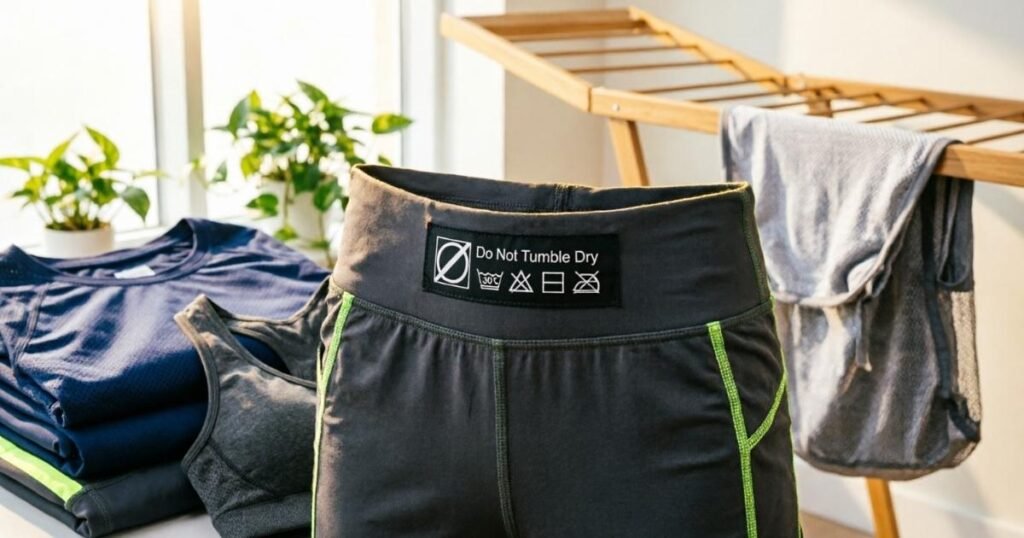
Athletic wear may have a symbol because heat can affect its special fibers. Sports shirts, leggings, and compression clothing often contain spandex or other stretchy materials. High dryer heat can weaken these fibers and reduce their flexibility. Over time, the garment may lose its shape, comfort, and supportive fit during regular use.
Always check the clothing care label before drying athletic wear. If it shows the no dryer symbol, avoid using a tumble dryer. Instead, gently remove excess water and let the garment air dry. A drying rack or clean indoor space can provide good airflow. Keep sportswear away from radiators and strong direct heat while drying.
Following the correct drying instructions can help athletic clothing last longer. Gentle air drying protects stretch, fabric strength, and overall performance. It also reduces unnecessary heat exposure that may damage technical materials. Before washing and drying sportswear, check every laundry care symbol carefully. This simple habit helps preserve comfort, fit, appearance, and the garment’s useful performance.
No Dryer Symbol on Baby Clothes
Baby clothes may show a no dryer symbol because their fabrics can be sensitive to heat. Soft cotton, bamboo, and blended materials may shrink or lose their shape in a hot dryer. Some baby garments also have prints, elastic, or delicate stitching that can become damaged. Gentle drying helps keep these clothes comfortable, soft, and safe.
Always check the clothing care label before drying baby clothes. If the label shows the no dryer, avoid using a tumble dryer. Instead, gently squeeze out excess water without twisting the fabric. Place the clothes on a drying rack or clean line. Keep them away from radiators and other direct heat sources while drying.
Proper drying can help baby clothes last longer and maintain their original fit. Air drying is often a simple choice when machine drying is not allowed. Make sure clothes have enough space for good airflow. Check the complete laundry care symbols before drying. This small step can help prevent shrinkage, fabric damage, fading, and unwanted changes in texture.
How to Read Laundry Care Labels Correctly
Start by checking the clothing care label before washing or drying any garment. Look at each laundry symbol carefully because every shape gives different instructions. A washing symbol explains cleaning methods, while a dryer symbol shows how the garment should be dried. Reading these signs first helps prevent shrinkage, fading, stretching, and unnecessary fabric damage during laundry.
Pay close attention to drying symbols on the label. A square with a circle usually represents tumble drying. If it has an X across it, machine drying is not recommended. One or more dots inside the circle show the suitable heat level. Following these drying instructions helps protect delicate fabrics and keeps garments in their proper shape.
Also check symbols for washing, bleaching, ironing, and professional cleaning. These instructions work together to provide complete garment care guidance. Never assume that every fabric can handle the same treatment. When you’re unsure, choose the gentlest suitable method. Taking a few seconds to read laundry labels can help extend clothing life and prevent costly laundry mistakes.
Tips for Faster Air Drying
Air drying can take time, especially indoors. Simple changes can improve airflow and remove moisture faster. These tips help clothes dry evenly while reducing dampness, odors, and unnecessary fabric stress.
- Remove extra water: Use a gentle spin cycle to reduce moisture before air drying.
- Shake clothes first: Shake each garment before hanging to loosen folds and improve airflow.
- Leave space: Keep clothes apart so air can move freely around each item.
- Use a fan: Place a fan nearby to increase airflow and speed up drying.
- Choose a ventilated area: Dry clothes near an open window or well-ventilated room.
- Turn garments over: Flip thicker items during drying so both sides receive enough airflow.
- Avoid overcrowding: Do not place too many clothes on one drying rack.
Environmental Benefits of Avoiding the Dryer
Avoiding the dryer can lower household energy use and reduce environmental impact. Air drying needs no electricity, protects clothing, and supports simple laundry habits that create less waste.
- Uses less electricity: Air drying does not need the energy required by a tumble dryer.
- Reduces energy demand: Using less power can lower your household’s overall energy consumption.
- Lowers emissions: Reduced electricity use can help decrease emissions linked to energy production.
- Extends clothing life: Gentle drying may reduce heat damage and help clothes last longer.
- Reduces textile waste: Longer-lasting garments may mean fewer clothes are thrown away.
- Needs fewer resources: Air drying uses natural airflow instead of machine power.
- Supports sustainable laundry: Choosing air drying is a simple way to make everyday laundry more eco-friendly.
Signs a Garment Was Accidentally Dryer Damaged
If a garment enters the dryer by mistake, heat and tumbling may cause visible changes. Look for these signs before wearing or washing it again after accidental dryer exposure.
- Shrunken fabric: The garment may become noticeably smaller than its original size.
- Changed shape: Sleeves, waistbands, or other areas may look uneven or distorted.
- Weakened stretch: Elastic or stretchy fabrics may lose their flexibility.
- Faded colors: High heat can make some colors appear dull or lighter.
- Rough texture: Soft fabrics may feel stiff, dry, or rough after excessive heat.
- Loose stitching: Strong heat and tumbling may affect seams or decorative details.
- Wrinkled appearance: Some fabrics may develop deep wrinkles that are difficult to remove.
Frequently Asked Questions
Which is the dryer symbol?
The dryer symbol is a square with a circle inside. The No Dryer Symbol adds an X, meaning avoid machine drying.
What is the symbol for not suitable for dryer?
A crossed-out square with a circle means clothes should not go inside a dryer. The No Dryer Symbol recommends air drying.
Do not dry clean icon?
A circle with an X means do not dry clean. The No Dryer Symbol is different because it warns against tumble drying.
Do not tumble dry icon?
A square with a crossed-out circle means do not tumble dry. The No Dryer Symbol tells you to air dry instead.
What does the No Dryer Symbol mean?
The No Dryer Symbol means the garment should not be placed in a tumble dryer after washing.
Can I ignore the No Dryer Symbol?
No. Ignoring the No Dryer Symbol may cause shrinking, fading, stretching, or permanent fabric damage.
Does the No Dryer Symbol mean air dry?
Usually, yes. The No Dryer Symbol means avoid machine drying, so air drying may be the safest option.
Can delicate clothes go in a dryer?
Delicate clothes may be damaged by heat and tumbling. Always follow the No Dryer Symbol and care label instructions.
What happens if I tumble dry clothes with this symbol?
Using a dryer against the No Dryer Symbol may cause shrinkage, fabric damage, shape changes, or weakened fibers.
Is the No Dryer Symbol the same as low heat?
No. The No Dryer Symbol means avoid tumble drying, while the low heat symbol allows gentle machine drying.
Conclusion
The No Dryer Symbol is an important guide for proper clothing care. It tells you when a tumble dryer may damage a garment. The symbol for no dryer usually appears as a crossed-out dryer shape. When you see this no dryer sign, avoid machine drying. Heat and tumbling can cause shrinking, stretching, fading, or fabric damage. Always check the complete clothing care label before choosing a drying method.
Following the No Dryer Symbol can help your clothes stay in good condition for longer. Air drying, line drying, and flat drying are useful alternatives when the label allows them. The no dryer symbol is especially useful for wool, silk, cashmere, and other delicate fabrics. Reading laundry care symbols takes only a few seconds. This simple habit can prevent damage, protect garment shape, and help your favorite clothes maintain their quality through regular washing.