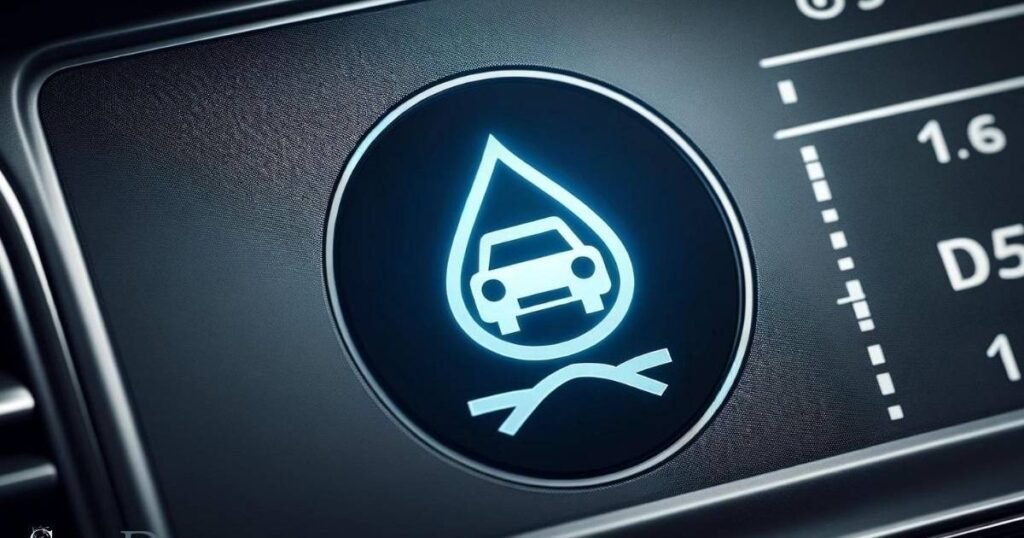

Have you ever seen a strange light on your dashboard and wondered what it means? The Windshield Wiper Fluid Symbol can be confusing when you’re unsure whether it signals low washer fluid or something else. Finding the windshield wiper fluid under hood or the window washer fluid symbol can also feel frustrating when you need a quick answer.
This guide makes everything simple and easy to understand. You’ll learn which symbol represents the windshield wipers, what the windshield wiper fluid symbol means, and how to recognize the washer fluid symbol. We’ll also explain what the symbols look like, where to find them, and when you should refill your washer fluid.
What Does the Windshield Wiper Fluid Symbol Look Like?
The Windshield Wiper Fluid Symbol usually shows a windshield with water spraying across it. You’ll often see curved lines that represent the spray hitting the glass. The shape may look like a small windshield with drops or streams above it. Most drivers can recognize it quickly once they know what the basic design represents.
The symbol may appear in blue, white, or another dashboard color. Its exact appearance depends on the vehicle manufacturer and model. You might see it on the dashboard when the washer fluid level becomes low. Some vehicles also display a similar washer symbol near the controls for the windshield wipers.
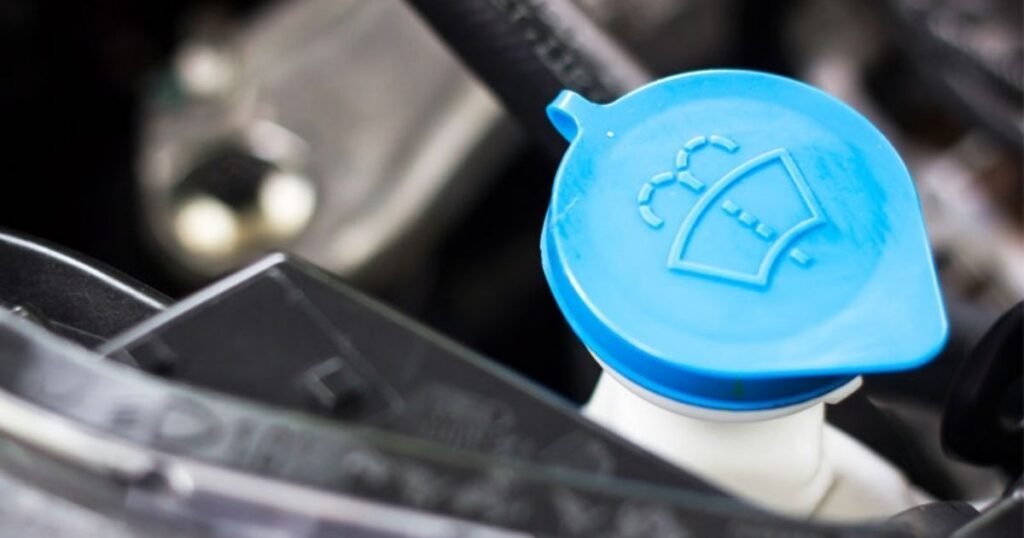
You can also find a washer fluid symbol under the hood. It’s often printed on the reservoir cap or a nearby label. The cap may show a windshield, spray lines, or water drops. While designs differ between cars, the purpose stays the same: helping you identify the washer fluid reservoir quickly.
Windshield Wiper Fluid Symbol Meaning
The Windshield Wiper Fluid Symbol tells you about your car’s windshield washer system. When this light appears, your washer fluid may be running low. The symbol usually shows a windshield with spray lines. It helps you know when to check the washer fluid reservoir and refill it before visibility becomes a problem.
- Shows the windshield washer system
- May indicate low washer fluid
- Helps maintain clear windshield visibility
- Appears on the dashboard in many cars
- Can vary slightly by vehicle
Why This Dashboard Light Appears
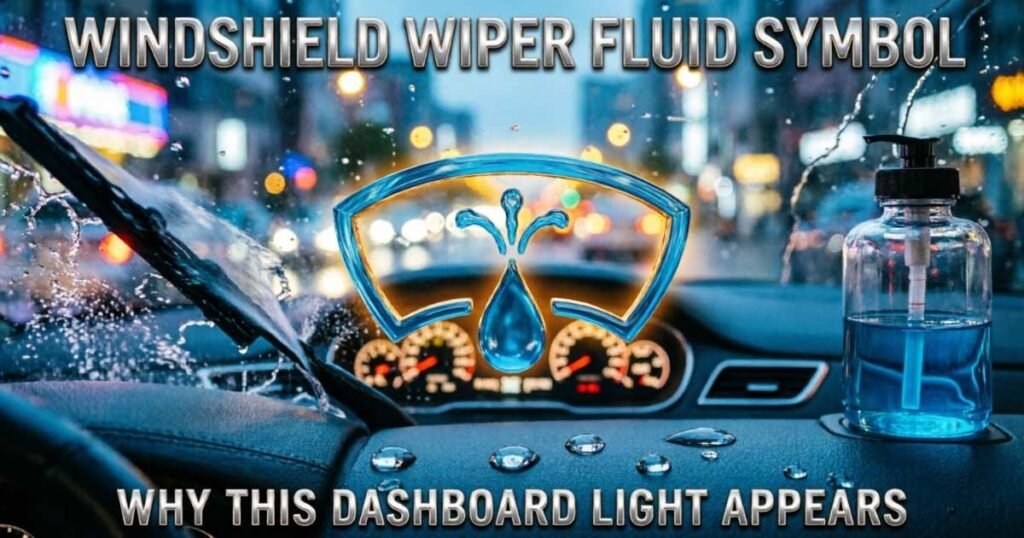
This dashboard light usually appears when your washer fluid level gets too low. A sensor inside the reservoir monitors the amount of fluid. When the level drops below a set point, the warning light turns on. It reminds you to refill the tank soon. Keeping enough fluid helps your windshield stay clean during rain, dust, or road spray.
Sometimes, the warning light stays on even after you refill the reservoir. This may happen because the sensor needs time to update. A damaged sensor can also cause a false warning. Check for leaks if the fluid disappears quickly. If the light remains on, have the washer system inspected to find the cause.
How to Refill Windshield Washer Fluid
Running out of washer fluid is easy to prevent, and the refill process takes only a few minutes. You don’t need special tools or mechanical skills. Just follow these simple steps to refill the reservoir safely and keep your windshield clear when rain, dust, or road spray reduces visibility.
1: Open the Hood
Park your car on a level surface and turn off the engine before starting. Pull the hood release inside the car, then lift the hood and secure it properly. Keep your hands away from hot engine parts. Opening the hood gives you access to the engine compartment, where you can locate the windshield washer fluid reservoir and its cap.
2: Find the Washer Fluid Reservoir
Look for a plastic container with a cap showing a windshield and spray symbol. This is usually the washer fluid reservoir. It may have a blue, black, or brightly colored cap, depending on the vehicle. Check your owner’s manual if you’re unsure. Don’t confuse it with the coolant or brake fluid reservoir because they serve different purposes.
3: Add Washer Fluid
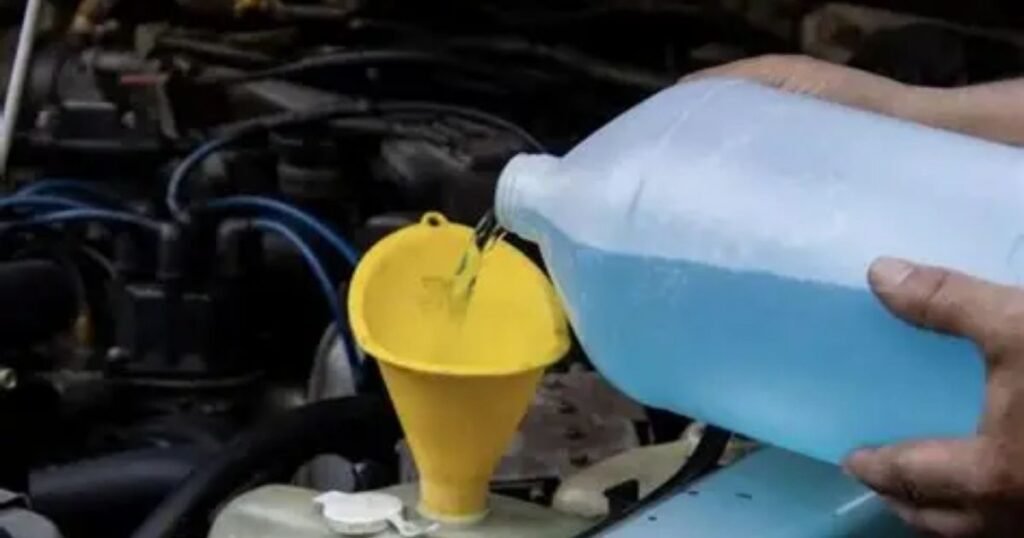
Open the washer fluid cap and slowly pour the recommended windshield washer fluid into the reservoir. Use a funnel if the opening is narrow to prevent spills. Don’t fill beyond the marked level if your vehicle has one. Choose freeze-resistant washer fluid during cold weather because plain water can freeze and damage the washer system.
4: Close the Cap
Once you’ve added enough fluid, firmly close the reservoir cap until it sits securely. A loose cap can allow dirt to enter the tank or fluid to splash out while driving. Wipe away any spilled washer fluid around the opening. Then lower the hood carefully and make sure it locks into place before you continue your trip.
5: Test the System
Start the car and activate the windshield washers for a few seconds. The washer fluid should spray evenly through the nozzles and reach the windshield. If nothing comes out, check the fluid level and listen for the washer pump. A clogged nozzle, frozen fluid, or small leak could prevent proper spraying. Test both the spray and wipers before driving.
Read More :Sigma Symbol : Meaning, History, Uses in Math, Science & Statistics
Can You Use Water Instead of Washer Fluid?
You can use water in an emergency, but it isn’t the best long-term choice. Water may clean light dirt from your windshield. However, it doesn’t remove grease, bugs, or road grime as well as washer fluid. It can also leave marks and reduce clear visibility while driving.
Washer fluid contains cleaning agents that work better on common windshield dirt. In cold weather, water can freeze inside the reservoir or lines. Use freeze-resistant washer fluid during winter. It helps protect the windshield washer system and keeps the spray working when temperatures drop.
Types of Windshield Washer Fluids
Windshield washer fluids come in different formulas for different driving conditions. Choosing the right type can improve windshield cleaning and protect the washer system. Some formulas work best in warm weather, while others handle freezing temperatures and heavy road grime more effectively.
The main difference comes from cleaning ingredients, temperature protection, and seasonal use. The interpretation may vary depending on the situation:
- Summer washer fluid: Designed for warm weather. It helps remove dust, bugs, pollen, and oily road residue from the windshield.
- Winter washer fluid: Contains freeze protection for colder conditions. It helps prevent the fluid from freezing inside the reservoir, pump, or washer lines.
- All-season fluid: Offers balanced cleaning and temperature protection. It’s a practical choice if your area has changing weather throughout the year.
- De-icer washer fluid: Contains ingredients that help loosen frost and light ice. It can make winter windshield cleaning easier during cold mornings.
- Concentrated fluid: Requires mixing with water according to the label. It saves storage space but must be diluted correctly for proper performance.
Is It Safe to Drive With This Symbol On?
Yes, you can usually drive with the washer fluid warning symbol on. It generally means the fluid level is low, not that your engine has a serious problem. However, driving without washer fluid can make cleaning your windshield difficult. This can quickly reduce visibility when rain, mud, dust, or insects cover the glass.
It’s best to refill the reservoir soon. Good visibility matters, especially during long trips or bad weather. If the symbol stays on after refilling, check for a leak or sensor problem. A washer fluid warning light that remains active may need professional inspection to identify the cause.
Windshield Wiper Fluid Symbol vs Other Dashboard Lights
The windshield washer symbol is mainly linked to washer fluid levels, while other dashboard lights warn about different vehicle systems. Knowing the difference helps you respond quickly and avoid confusion.
| Dashboard Light | What It Usually Means | What You Should Do |
| Windshield Wiper Fluid Symbol | Washer fluid is low | Refill the washer fluid reservoir |
| Check Engine Light | Engine or emissions system issue | Have the vehicle checked if it remains on |
| Oil Pressure Light | Low engine oil pressure | Stop safely and check the oil level |
| Battery Light | Charging system problem | Check the battery and charging system |
| Brake Warning Light | Brake system or parking brake warning | Check the parking brake and brake fluid |
| Tire Pressure Light | One or more tires may have low pressure | Check and inflate the tires |
| Coolant Temperature Light | Engine may be overheating | Stop safely and allow the engine to cool |
| ABS Light | Anti-lock braking system issue | Have the ABS system inspected |
| Airbag Light | Airbag or restraint system fault | Arrange a professional inspection |
| Seat Belt Warning Light | A seat belt may not be fastened | Fasten the seat belt before driving |
Problems After Refilling Fluid
Refilling the washer reservoir should turn off the warning light and restore normal spraying. If problems continue, a sensor, leak, clogged nozzle, or pump may need attention.
- Light stays on: The fluid sensor may need time to reset or could be faulty.
- Fluid disappears quickly: Check the reservoir and hoses for a washer fluid leak.
- No spray: A clogged washer nozzle may block the fluid.
- Weak spray: The washer pump may be struggling or the fluid level may be low.
- Uneven spray: Dirt or debris can partially block the nozzles.
- Frozen fluid: Cold weather can freeze unsuitable washer fluid inside the system.
- Warning returns: A faulty fluid level sensor may keep showing the low-fluid warning.
How Much Washer Fluid Does a Car Hold?
Most cars hold about 2 to 4 liters of windshield washer fluid. However, the exact capacity depends on the vehicle’s make, model, and reservoir size. Smaller cars may need less fluid, while SUVs and trucks often have larger tanks. Check your owner’s manual for the correct washer fluid capacity before refilling.
You don’t need to fill the reservoir beyond its recommended level. Pour slowly and watch the opening as the fluid rises. Some tanks have a visible level mark, while others don’t. If you’re unsure, leave a little space rather than forcing more fluid into the reservoir.
Seasonal Washer Fluid Tips
Choosing the right washer fluid for the season helps your windshield washer system work reliably. Weather affects cleaning performance, freezing risk, and fluid flow through the lines.
- Use summer fluid: It works well for dust, pollen, bugs, and road grime.
- Choose winter fluid: Pick a freeze-resistant formula when temperatures drop below freezing.
- Check the label: Follow the temperature rating before using winter washer fluid.
- Avoid plain water: Water can freeze and may not clean oily dirt effectively.
- Refill before winter: A full reservoir gives you more cleaning fluid during cold trips.
- Watch for freezing: Frozen fluid can block hoses, nozzles, and the washer pump.
- Change with the weather: Switch formulas when your local driving conditions change.
Read More : Transmission Fluid Symbol: Meaning, Warning Lights, Causes & What to Do
How Automakers Display This Symbol
Automakers may use slightly different designs for the washer fluid symbol. Most show a windshield with spray lines or water drops. Some vehicles display it as a dashboard warning light. Others place a matching icon on the washer fluid cap. The color can also vary, but blue, white, or amber symbols are common across many models.
Toyota, Honda, Ford, BMW, Audi, and Subaru may use different layouts or warning systems. Some cars show the symbol only when fluid is low. Others provide a message on the instrument display. Always check your owner’s manual if the symbol looks unfamiliar or doesn’t disappear after refilling the reservoir.
How to Prevent Washer System Problems
Keeping your washer system in good shape is simple. Check the fluid level regularly and refill it before the reservoir becomes empty. Use the right washer fluid for your weather. Keep the washer cap closed tightly. Also, inspect the hoses and nozzles for dirt, cracks, or leaks. These small checks can prevent bigger problems later.
Avoid using plain water for long periods, especially during freezing weather. Cold temperatures can block the lines and damage components. Clean clogged washer nozzles gently instead of forcing sharp objects into them. If the washer fluid light stays on after refilling, check the sensor or ask a mechanic for help.
Frequently Asked Questions
What is the symbol for windshield wiper fluid?
The Windshield Wiper Fluid Symbol usually shows a windshield with spray lines or water drops, representing the washer fluid system.
Can I just add windshield wiper fluid?
Yes, add washer fluid directly to the reservoir. The Windshield Wiper Fluid Symbol helps identify where and when to refill it.
What does it mean when the windshield wiper fluid light lights up?
The Windshield Wiper Fluid Symbol usually means the washer fluid level is low. Refill the reservoir soon for clear windshield visibility.
Can you drive with low washer fluid?
Yes, you can drive briefly with low washer fluid. However, the Windshield Wiper Fluid Symbol means you should refill it soon.
What is the symbol for windshield wiper fluid?
The Windshield Wiper Fluid Symbol usually shows a windshield with spray lines or water drops, indicating the washer fluid system.
Can I just add windshield wiper fluid?
Yes, add washer fluid directly to the reservoir. The Windshield Wiper Fluid Symbol helps you identify the correct reservoir under your hood.
What does it mean when the windshield wiper fluid light lights up?
The Windshield Wiper Fluid Symbol usually means the washer fluid level is low. Refill the reservoir soon to maintain clear visibility.
Can you drive with low washer fluid?
Yes, you can drive briefly with low washer fluid. However, the Windshield Wiper Fluid Symbol means you should refill it soon.
How do I know when washer fluid is low?
The Windshield Wiper Fluid Symbol may appear when fluid gets low. Check the reservoir and refill it before the tank becomes empty.
Where is the windshield washer fluid reservoir?
The reservoir is usually under the hood. Look for a cap marked with the Windshield Wiper Fluid Symbol or washer icon.
Conclusion
The Windshield Wiper Fluid Symbol is simple to recognize once you know its basic design. It usually shows a windshield with spray lines or water drops. You may also find the windshield wiper fluid symbol under hood on the reservoir cap. The window washer fluid symbol can look slightly different depending on your car model.
Knowing these signs makes dashboard warnings easier to understand. If you wonder which symbol represents the windshield wipers, look for the windshield and spray design. The Windshield Wiper Fluid Symbol identifies the washer system and may appear on the dashboard or reservoir. Check the washer fluid symbol when needed and refill the tank to keep your windshield clean and visibility clear.