

Finding the islamic prayer times can sometimes feel confusing, especially when you want to offer every prayer at the correct time. You may wonder about the 5 prayers of islam times, the 5 times prayer, or namaz kitne time hoti hai. Knowing the correct schedule can bring peace, confidence, and a stronger connection with Allah throughout your day.
In this guide, you’ll learn about the 5 daily islamic prayers times in simple and easy English. We’ll explain the 5 times namaz, including when each prayer begins and ends. Whether you’re learning about daily prayers or checking the schedule, this guide will help you understand prayer times clearly and follow them with greater confidence every day.
Why must Salah be observed?

Salah is a special part of a Muslim’s daily life. Why must Salah be observed? It helps you remember Allah, find peace, and keep your faith strong. It also gives you time to leave your worries behind and turn to Allah with a hopeful heart.
“Surely in the remembrance of Allah do hearts find comfort.”
— Quran 13:28
O Allah, help us stay regular in our Salah and keep our hearts close to You. Heal our pain, forgive our mistakes, and help us through every struggle. Give us strength when we feel weak and hope when we feel lost. Let our prayers bring peace to our hearts and help us become better Muslims. Guide us toward what is good and protect us from what harms us. Fill our hearts with faith, patience, and gratitude. Make our Salah a source of comfort, healing, and spiritual growth. Help us never lose hope in Your mercy. Amen.
Why must Salah be observed? It keeps Allah in our thoughts throughout the day. The five daily prayers give us time to stop, reflect, and ask for guidance. They help us build a stronger relationship with Allah and bring hope when life feels difficult.
Special Quotes
“Salah brings peace to a heart that feels tired.”
“Every prayer is a chance to turn back to Allah.”
“Sujood reminds us that Allah is always near.”
“When life feels hard, let your prayer give you hope.”
“A sincere prayer can bring comfort to the heart.”
How do you pray Salah?
Learning How do you pray Salah? can feel difficult at first, especially if you’re a beginner. Salah starts with wudu, facing the Qiblah, making the intention, and standing before Allah with a humble heart. Each rak’ah includes movements such as standing, bowing, and sujood while reciting words of worship.
“And establish prayer and give zakah and bow with those who bow.”
— Quran 2:43
O Allah, teach us to pray with a sincere heart and a focused mind. Help us leave our worries behind when we stand before You. Give us strength during hard times and heal the pain in our hearts. Forgive our mistakes and guide us toward what is right. Let every rak’ah bring us closer to You and help us grow in faith. Give us peace when we feel troubled and hope when we feel lost. Make our Salah a source of comfort, healing, and renewal. Help us pray with love, patience, and thankfulness. Amen.
When learning How do you pray Salah?, take it one step at a time. Learn the basic prayer movements and recitations, then practice them with patience. You don’t need to know everything at once. With regular practice and sincere effort, Salah can become a peaceful and meaningful part of your daily life.
Special Quotes
“Salah gives the heart a peaceful place to return to.”
“Every sujood is a chance to leave your worries with Allah.”
“Pray with a sincere heart, even when life feels difficult.”
“Salah helps us find hope when our hearts feel tired.”
“A simple prayer can be the beginning of a stronger faith.”
What do the movements of Salah mean?
Understanding what the movements of Salah mean can make prayer feel more meaningful. Each movement shows humility, obedience, and love for Allah. Standing reminds us to focus, bowing shows humility, and sujood brings us into a special moment of closeness with our Creator.
“And bow down and prostrate and worship your Lord and do good that you may succeed.”
— Quran 22:77
O Allah, help us understand the meaning behind every movement of our Salah. When we stand, fill our hearts with faith. When we bow, help us let go of pride and worry. When we prostrate, bring us closer to Your mercy and give us peace. Heal our hearts from pain and free us from struggles that make us feel weak. Help us grow in faith and find hope during difficult days. Make our Salah a source of comfort, strength, and renewal. Accept our prayers and guide us toward what pleases You. Amen.
When we understand what the movements of Salah mean, prayer becomes more than a routine. Every position gives us a chance to remember Allah and renew our hearts. The movements teach patience, humility, and trust while helping us stay connected to our faith.
Special Quotes
“Standing in prayer reminds us that Allah is always worthy of our worship.”
“Bowing teaches the heart to let go of pride.”
“Sujood is a beautiful moment of humility and closeness to Allah.”
“Every movement in Salah can bring peace to a worried heart.”
“Pray with your body, but let your heart remember Allah.”
Read more ; How to Pray the Hail Mary Prayer: Words, Meaning & Guide
What are the Prayer Times?
What are the Prayer Times? They are the set times when Muslims offer the five daily prayers. Fajr begins at dawn, Dhuhr comes after midday, Asr is in the afternoon, Maghrib begins after sunset, and Isha is offered at night. These times follow the movement of the sun and change throughout the year.
“Indeed, prayer has been decreed upon the believers at specified times.”
— Quran 4:103
O Allah, help us protect our prayer times and keep Salah close to our hearts. Give us strength when life becomes difficult and peace when our minds feel tired. Heal our hearts from pain and free us from worries that hold us back. Help us remember You through every part of our day. Let each prayer renew our faith and bring us closer to You. Give us patience, hope, and the courage to keep going. Accept our prayers, forgive our mistakes, and guide us toward what is good. Make Salah a source of peace, healing, and spiritual growth in our lives. Amen.
Understanding what are the Prayer Times helps you build a regular prayer routine. The exact prayer time depends on your location and the sun’s position. Checking a reliable prayer schedule can help you know when to pray and avoid missing an obligatory prayer.
Special Quotes
“Prayer gives your day a peaceful rhythm and keeps your heart close to Allah.”
“Each prayer is a new chance to turn to Allah with hope.”
“Never let a difficult day stop you from making time for Salah.”
“Prayer can bring peace when the heart feels heavy.”
“Five daily prayers can fill your day with faith, purpose, and hope.”
Fajr (dawn)

Fajr (dawn) is the first of the five daily prayers. Its time begins at true dawn and ends before sunrise. This quiet part of the morning gives you a peaceful chance to remember Allah before the day becomes busy. Fajr (dawn) can bring a fresh start, renewed faith, and hope for the day ahead.
“Establish prayer at the decline of the sun until the darkness of the night, and also the Quran of dawn. Indeed, the recitation of dawn is ever witnessed.”
— Quran 17:78
O Allah, help us wake up for Fajr with willing hearts and strong faith. Give us strength when we feel tired and help us overcome the struggles that keep us from prayer. Heal our hearts from sadness and fill our mornings with peace. Let this special prayer renew our faith and remind us that every new day is a gift from You. Give us hope for better days and guide our steps toward what is good. Forgive our mistakes and accept our worship. Help us begin each day with trust, gratitude, and love for You. Amen.
Knowing Fajr (dawn) helps you understand the beginning of the daily prayer schedule. Its exact time changes based on your location and the season. Making Fajr part of your routine can help you start each morning with calmness, discipline, and remembrance of Allah.
Special Quotes
“Fajr is a peaceful beginning to a new day with Allah.”
“Wake up for Fajr and give your heart a fresh start.”
“The quiet moments before sunrise can bring deep peace.”
“Every Fajr is a new chance to strengthen your faith.”
“Start your morning with prayer and carry hope throughout your day.”
Dhuhr (midday)
Dhuhr (midday) is the second of the five daily prayers. It begins after the sun passes its highest point and continues into the afternoon. Dhuhr (midday) gives you a chance to pause during a busy day, remember Allah, and refresh your heart through worship.
“And establish prayer at the two ends of the day and at the approach of the night.”
— Quran 11:114
O Allah, help us make time for Dhuhr even when our day feels busy. Give us strength when we feel tired and calm our hearts when life becomes stressful. Heal our worries and help us let go of struggles that weigh us down. Let this prayer renew our faith and remind us that You are always near. Give us patience, wisdom, and hope as we continue through the day. Help us grow closer to You and keep our hearts thankful for every blessing. Accept our Salah and guide us toward a life filled with faith and peace. Amen.
Understanding Dhuhr (midday) helps you follow the daily prayer schedule with confidence. Its exact time depends on your location and the position of the sun. Taking a short break for prayer can help you regain focus and return to your day with a peaceful heart.
Special Quotes
“Dhuhr gives your busy day a peaceful moment with Allah.”
“Pause at midday and let prayer refresh your heart.”
“A few quiet moments with Allah can change the rest of your day.”
“Dhuhr reminds us that worship should remain part of every day.”
“When life feels busy, let Salah bring you back to peace.”
Asr (afternoon)
Asr (afternoon) is the third of the five daily prayers. It is offered later in the day when people may feel tired or busy with work and daily responsibilities. Asr (afternoon) gives you a peaceful moment to stop, remember Allah, and renew your heart before the day comes to an end.
“Guard strictly the prayers, especially the middle prayer, and stand before Allah with devotion.”
— Quran 2:238
O Allah, help us remain faithful to Asr even when we feel tired or distracted. Give us strength to face our struggles and patience when things don’t go as planned. Heal our hearts from worry and sadness, and replace our fears with peace and hope. Let our prayer bring us closer to You and help us grow stronger in faith. Remind us that difficult moments will pass and that Your mercy is always near. Help us finish our day with a thankful heart and trust in Your plan. Accept our Salah and guide us toward what is good. Amen.
Understanding Asr (afternoon) helps you stay aware of this important part of the daily prayer schedule. Its exact time changes with your location and the season. Taking time for Asr can help you pause from your routine and reconnect with Allah before sunset.
Special Quotes
“Asr is a peaceful pause when the day starts to feel heavy.”
“When you feel tired, let Salah give your heart new strength.”
“A few moments with Allah can bring peace to a busy mind.”
“Asr reminds us to keep faith even during difficult moments.”
“End your afternoon with prayer, hope, and trust in Allah.”
Read More ; Prayer Plant Care Guide: How to Grow and Care for Plants
Maghrib (sunset)
Maghrib (sunset) is the fourth of the five daily prayers. It begins shortly after the sun goes down and marks the transition from day to evening. Maghrib (sunset) gives you a peaceful moment to thank Allah for the day, seek forgiveness, and welcome the evening with a hopeful heart.
“So glorify Allah when you reach the evening and when you reach the morning.”
— Quran 30:17
O Allah, help us turn to You at Maghrib with thankful hearts. Forgive our mistakes and heal the worries we carried through the day. Give us freedom from fear, sadness, and struggles that make our hearts feel heavy. Let this prayer bring peace to our minds and renew our faith. Help us learn from the difficult moments of the day and become better through them. Fill our evening with hope, mercy, and calmness. Protect our loved ones and guide us toward what is right. Accept our Salah and keep our hearts close to You. Amen.
Knowing Maghrib (sunset) helps you understand the daily prayer schedule and pray at the right time. Its prayer window begins after sunset and lasts for a limited period. Taking a few quiet moments for Salah can help you leave the day’s worries behind and prepare your heart for the evening.
Special Quotes
“Maghrib is a beautiful reminder to thank Allah for another day.”
“As the sun sets, let your worries settle through prayer.”
“Every evening gives your heart another chance to turn to Allah.”
“Leave the struggles of the day with Allah and welcome the evening with hope.”
“Maghrib brings peace when the day finally becomes quiet.”
Isha (night)
Isha (night) is the fifth and final prayer of the five daily prayers. It is offered after the evening twilight has disappeared and the night has begun. Isha (night) gives you a quiet time to slow down, leave the worries of the day behind, and turn your heart toward Allah before sleep.
“And during part of the night, keep awake by the prayer; it is an extra prayer for you.”
— Quran 17:79
O Allah, help us end our day with sincere prayer and a peaceful heart. Forgive our mistakes and heal the pain we may have carried throughout the day. Free us from fear, stress, and struggles that keep our hearts restless. Give us strength to face tomorrow with hope and trust in You. Let our Isha prayer renew our faith and bring us closer to Your mercy. Protect us and our families through the night, and give us peaceful rest. Help us wake with gratitude and continue growing in faith. Accept our Salah and keep our hearts connected to You. Amen.
Understanding Isha (night) helps you complete the five daily prayers with confidence. Its exact prayer time depends on your location and the season. Taking time for Isha can help you reflect on your day, seek Allah’s forgiveness, and rest with a calm and hopeful heart.
Special Quotes
“Isha is a peaceful ending to a busy day with Allah.”
“Leave your worries with Allah before you close your eyes.”
“A quiet night prayer can bring comfort to a tired heart.”
“End your day with Salah and trust Allah with tomorrow.”
“Isha reminds us that every night can begin with hope and peace.”
Observing Prayer Times
Observing Prayer Times helps Muslims keep Salah as a steady part of daily life. The five prayers create regular moments to pause, remember Allah, and step away from daily worries. Observing Prayer Times also builds discipline and helps you stay connected to your faith through both easy and difficult days.
“Indeed, prayer has been decreed upon the believers at specified times.”
— Quran 4:103
O Allah, help us protect our prayer times and never take Salah for granted. Give us strength when we feel tired, busy, or distracted. Heal our hearts from sadness and free us from worries that make life difficult. Help us turn to You with hope when we face struggles and with gratitude when life feels good. Let every prayer renew our faith and bring peace to our hearts. Give us the discipline to pray on time and the sincerity to worship You with love. Guide us toward what is good and help us grow closer to You each day. Accept our Salah and fill our lives with Your mercy and peace. Amen.
Observing Prayer Times becomes easier when you build a simple routine around your daily schedule. You can use a reliable prayer timetable, set reminders, or visit a nearby masjid when possible. With consistency, prayer becomes a natural part of your day and a source of comfort, hope, and spiritual growth.
Special Quotes
“Prayer on time keeps the heart connected to Allah throughout the day.”
“Make time for Salah, and let Allah bring peace to your busy life.”
“A consistent prayer routine can strengthen both faith and patience.”
“When you pray on time, you give your heart a moment to breathe.”
“Salah is not a burden; it is a peaceful return to Allah.”
The first Qiblah
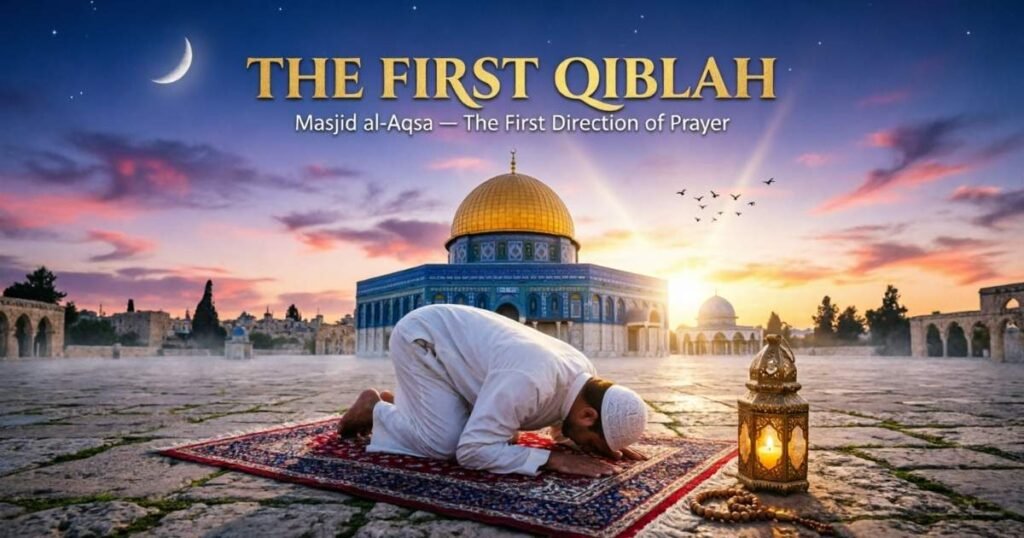
The first Qiblah in Islam was Bayt al-Maqdis in Jerusalem, before the direction of prayer was changed toward the Ka’bah in Makkah. This history reminds Muslims of the importance of obedience and trust in Allah. The first Qiblah also connects Muslims with a meaningful part of Islamic history and the journey of the Prophet Muhammad ﷺ.
“We have certainly seen the turning of your face toward the heaven, so We will surely turn you to a direction of prayer with which you will be pleased.”
— Quran 2:144
O Allah, strengthen our faith and help us follow Your guidance with a willing heart. Teach us to trust You even when we don’t understand every part of Your plan. Heal our hearts from doubt, fear, and sadness, and free us from struggles that make our faith feel weak. Help us learn from the history of the first Qiblah and grow closer to You. Give us patience, wisdom, and hope in difficult times. Keep our hearts focused on You and guide us toward what is right. Accept our prayers, forgive our mistakes, and help us become better Muslims each day. Amen.
Learning about the first Qiblah helps us understand an important part of Islamic history. Muslims now face the Ka’bah in Masjid al-Haram during Salah. This change teaches the value of following Allah’s command and trusting His wisdom with patience and faith.
Special Quotes
“The first Qiblah reminds us that faith begins with trust in Allah.”
“Allah’s guidance can lead us toward a path filled with wisdom and purpose.”
“True faith means trusting Allah even when we don’t know the full reason.”
“The history of the Qiblah teaches patience, obedience, and hope.”
“Turn your heart toward Allah, and let faith guide your journey.”
Frequently Sked Questions
What are the timings to read namaz?
The five daily prayers have set times based on the sun. islamic prayer times include Fajr, Dhuhr, Asr, Maghrib, and Isha, each with its own window.
What are the three forbidden times to pray?
The three disliked times are sunrise, when the sun reaches its highest point, and sunset. islamic prayer times help Muslims avoid these periods for voluntary prayers.
What are the times of prayer in Islam?
Islam has five daily prayers: Fajr at dawn, Dhuhr after midday, Asr in afternoon, Maghrib after sunset, and Isha at night. islamic prayer times vary.
How are namaz timings calculated?
Namaz timings are calculated using the sun’s position at different parts of the day. islamic prayer times depend on location, date, latitude, longitude, and calculation method.
Why do Muslims pray five times a day?
Muslims pray five times daily to worship Allah and remember Him throughout the day. islamic prayer times create regular moments for faith, reflection, gratitude, and spiritual connection.
What time does Fajr prayer begin?
Fajr begins at true dawn, when morning light appears across the horizon. islamic prayer times show the exact Fajr start and ending time for each location.
When does Dhuhr prayer start?
Dhuhr starts after the sun passes its highest point in the sky. islamic prayer times vary daily because the sun’s position changes throughout the year.
When does Asr prayer begin?
Asr begins during the afternoon, after Dhuhr’s prayer period ends. islamic prayer times for Asr depend on location, season, and the calculation method used.
When does Maghrib prayer begin?
Maghrib begins shortly after sunset when the sun has completely disappeared below the horizon. islamic prayer times provide the local Maghrib schedule for Muslims.
When does Isha prayer begin?
Isha begins after evening twilight disappears and night sets in. islamic prayer times help Muslims know the correct beginning and ending window for Isha prayer.
Conclusion
The islamic prayer times help Muslims keep Salah part of their daily routine. The 5 prayers of islam times include Fajr, Dhuhr, Asr, Maghrib, and Isha. These 5 times prayer give your day a peaceful rhythm. Knowing the 5 daily prayers times also helps you pray with greater confidence and discipline. The 5 times namaz guide Muslims from dawn until night.
Learning the islamic prayer times can be simple when you follow a reliable local schedule. Prayer times change with your location and season. If you ask, namaz kitne time hoti hai, the answer is five times each day. Regular Salah brings peace, hope, and spiritual strength. It also helps you remember Allah and stay connected with your faith throughout the day.